
In the European Union, workplace stress is the second most common work-related problem, affecting approximately 28% of workers. Burnout among education professionals is therefore becoming an increasingly serious issue, with potential consequences for mental and physical health as well as the quality of work within the education system. Intense emotional involvement, excessive administrative workloads, expectations of constant availability and high societal expectations often lead to exhaustion and reduced professional effectiveness. Despite the clear need to raise awareness of the importance of mental health, strengthen emotional resilience and improve professional effectiveness, systematic support programmes are still not available in Croatia.
However, courses available through Erasmus+ accreditation provide opportunities to learn about mechanisms for maintaining wellbeing and techniques for preventing burnout. Two of our staff members, Darja Spahija and Maja Kutnjak Vrtarić, participated in one such course. Entitled “Wellbeing in Practice”, the course took place in Bled, Slovenia, from 20 to 24 July 2026. It was hosted by the Slovenian organisation Igma Courses, which has been delivering educational programmes in the fields of personal development, sport and wellbeing for the past fifteen years, combining personal development with the latest scientific findings.
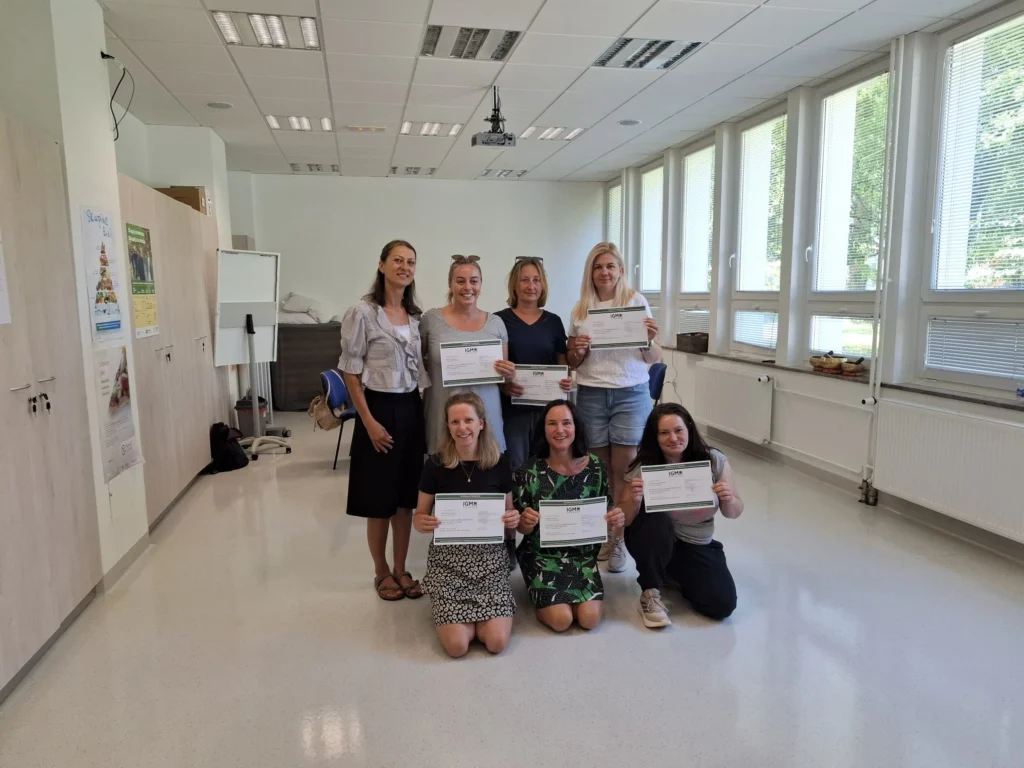
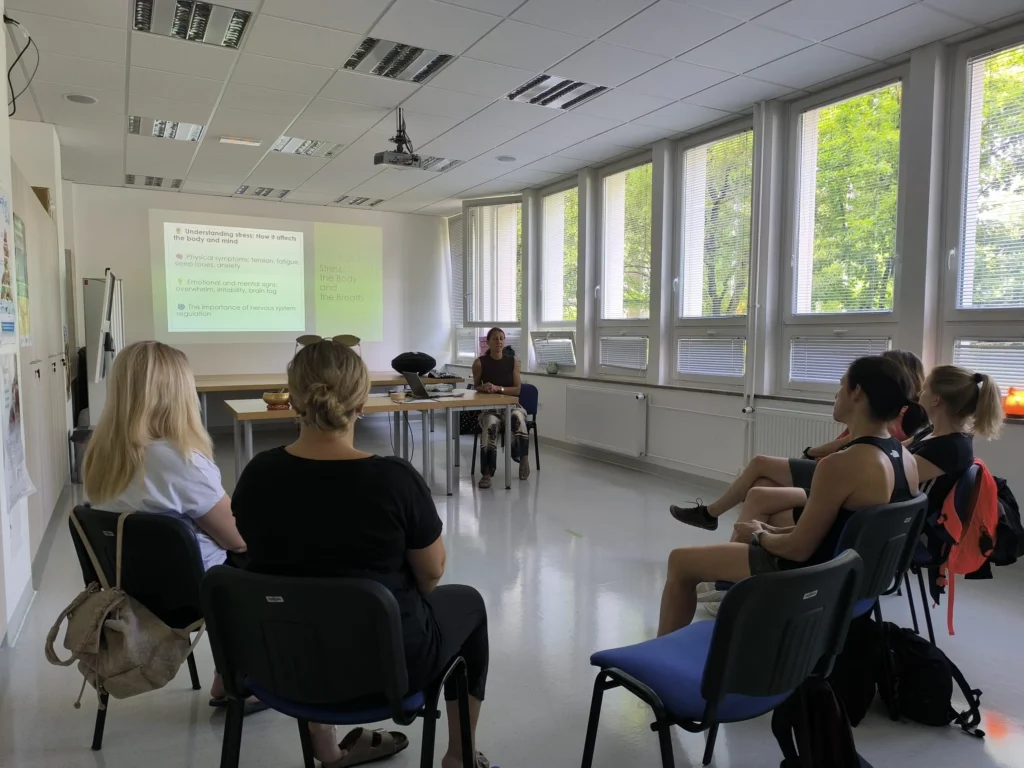
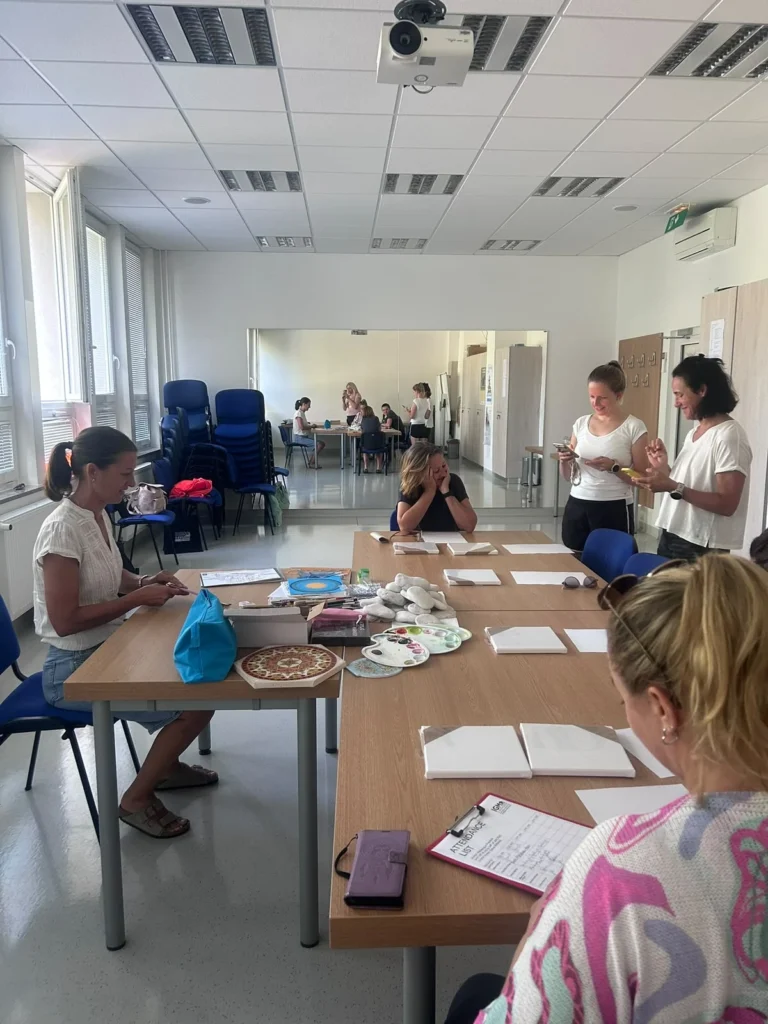
The course covered stress and burnout in the teaching profession, the different dimensions of wellbeing, the relationship between wellbeing, personal development, the quality of professional relationships and the quality of work, as well as the importance of identifying effective ways to manage stressful and challenging situations in everyday life.
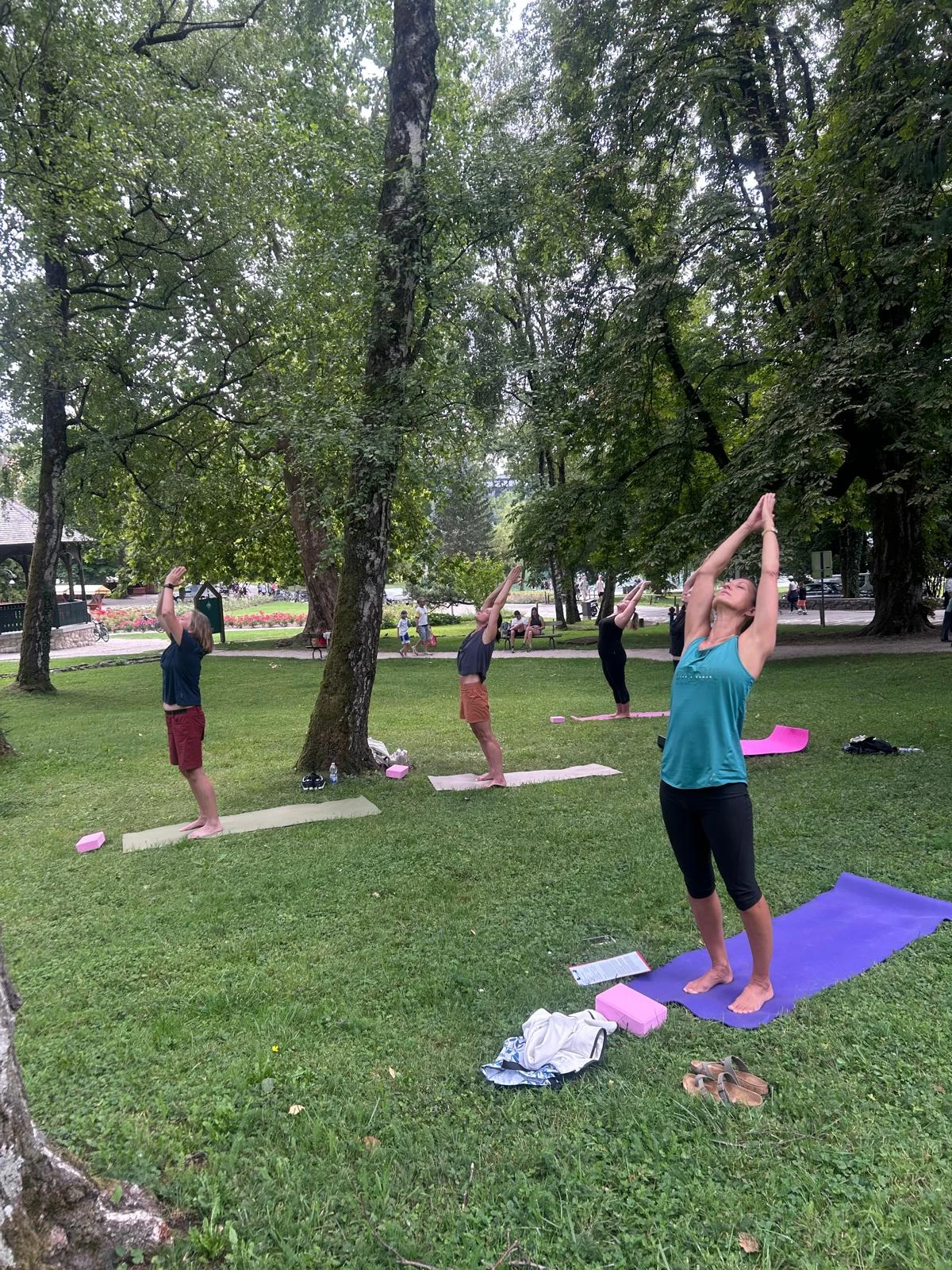
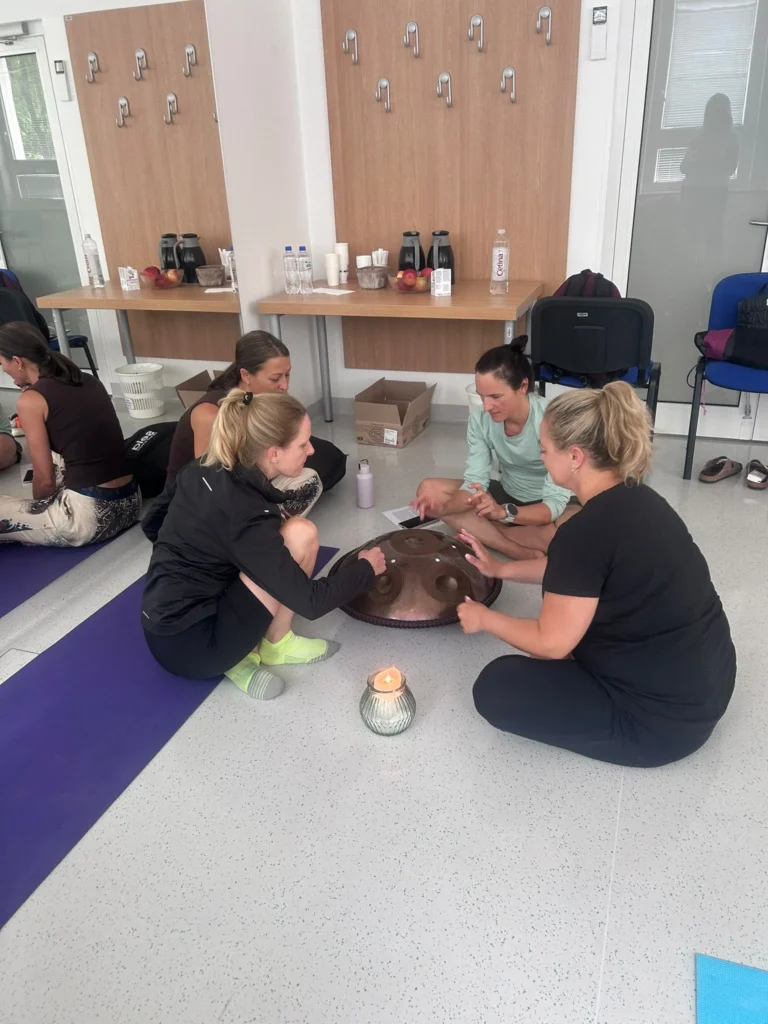
Under the guidance of yoga instructor Zehra Biščević, course participants from Croatia, Germany and Romania learned practical relaxation techniques that can provide immediate relief and help restore a sense of balance. They practised various breathing techniques and explored several forms of yoga, including Hatha Yoga, Yin Yoga and Yoga Nidra. They also tried playing a special instrument known as the handpan, which produces sounds particularly suited to meditation and relaxation.
The participants were introduced to Joe Dispenza’s approach, which combines neuroscience, epigenetics and quantum physics to explore how the mind may influence the body and an individual’s perception of reality. They also created their own mandalas – distinctive, symmetrical circular designs symbolising harmony, interconnectedness and wholeness, which can help promote calmness and concentration. In psychology, art and creative practice, creating a mandala is often understood as a structured creative process.
The knowledge and experience gained through the course represent a valuable contribution to the continued development of our staff members’ competences, as well as to improving the quality of work across the entire institution. Throughout the training, particular emphasis was placed on understanding that the wellbeing of education professionals is not separate from the quality of education, but is one of its essential prerequisites.
High-quality education is not shaped solely by programmes, methods and technology. Above all, it is created by people – education professionals who possess the knowledge, competences and capacity to support others throughout the lifelong learning process. Maintaining their own energy, emotional balance and resilience enables education professionals to respond more effectively to the challenges of contemporary adult education.
By participating in Erasmus+ mobility activities, Public Open University Čakovec continuously invests in the professional development of its employees and in strengthening the quality of its educational processes. We will continue to integrate and share the knowledge and methods acquired through our everyday work, the exchange of experiences with colleagues and the development of new approaches to supporting our educators and learners.

Funded by the European Union. Views and opinions expressed are however those of the author(s) only and do not necessarily reflect those of the European Union or Agency for Mobility and EU Programmes (AMPEU). Neither the European Union nor the granting authority can be held responsible for them.
