
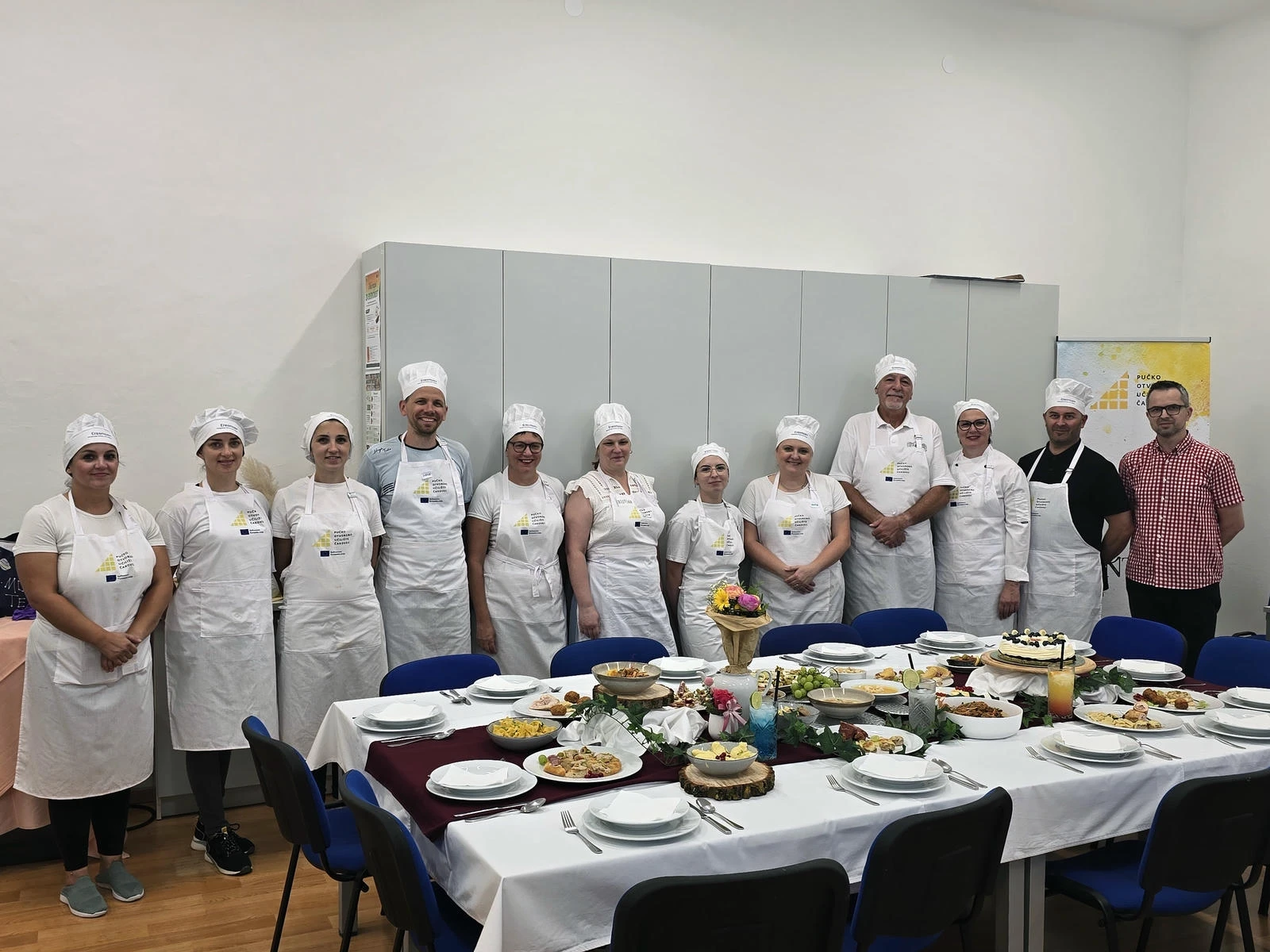
Over the past two months, the Open University (POU) Čakovec implemented a basic cooking course as part of the Erasmus+ project MC Chef. The course was structured into two interconnected components: a theoretical segment conducted via an online learning platform, and a hands-on practical segment delivered in person.
During the initial phase of the course, participants independently acquired theoretical knowledge through the MC Chef platform. The learning platform integrates videos, infographics, illustrations, interactive quizzes, gamification elements, and real-life scenarios from professional kitchens. Participants also had access to downloadable practical checklists and printable materials. This diverse range of content and activities facilitated dynamic and clearly structured learning, adaptable to various learning styles and paces.
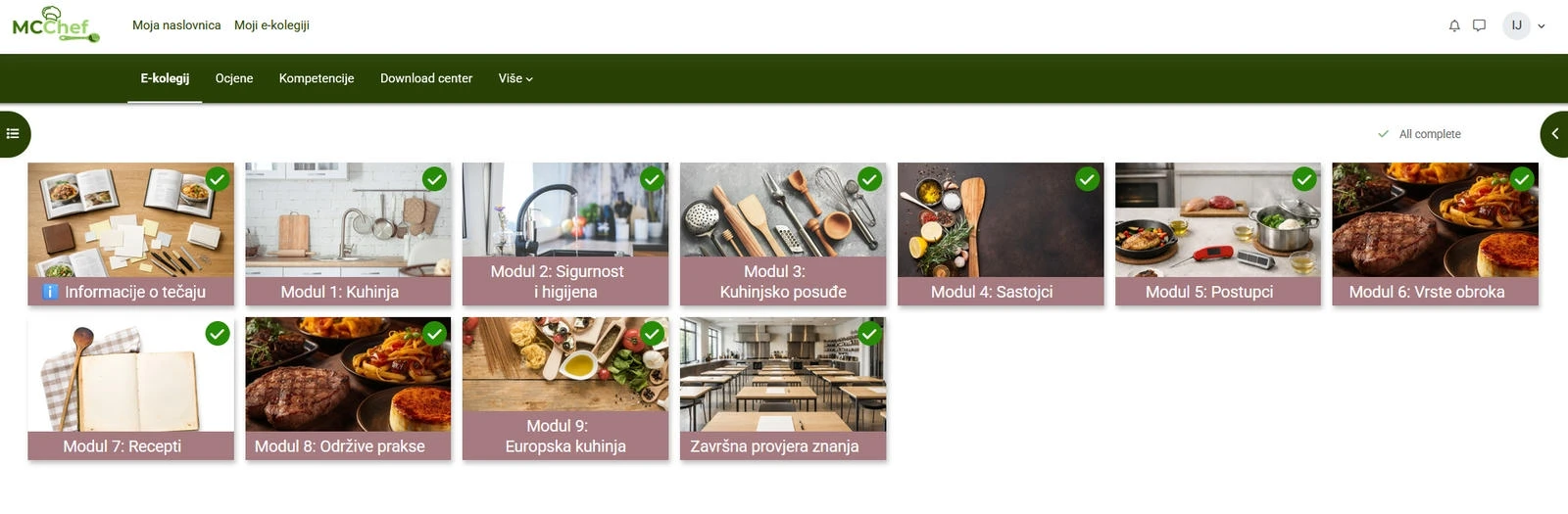
On the platform, participants completed nine interconnected modules that progressively guided them from an introduction to kitchen organization through to sustainable practices and European culinary traditions:
- Module 1: “The Kitchen” introduces participants to kitchen organization, workflow processes, and the roles of kitchen team members. Special emphasis is placed on collaboration, effective communication, and the efficient operation of a professional kitchen.
- Module 2: “Safety and Hygiene” addresses one of the most critical foundations of kitchen work – human safety and food safety. Participants learn how to identify potential hazards, prevent accidents, and maintain the highest hygiene standards.
- Module 3: “Kitchen Utensils” provides an overview of the basic tools, implements, knives, appliances, and cookware used in daily kitchen operations. Participants learn which equipment to select for specific tasks, as well as proper usage and maintenance.
- Module 4: “Ingredients” focuses on the food items that form the basis of every dish. Participants learn how to recognize high-quality ingredients, prepare them correctly, store them safely, and use them responsibly.
- Module 5: “Procedures” familiarizes participants with fundamental food preparation and thermal processing techniques. Participants explore why cooking entails more than merely following a recipe, emphasizing the understanding of methods, temperatures, and safe working procedures.
- Module 6: “Types of Meals” illustrates how meals are distributed throughout the day and how they vary depending on culture and environment. Food is thus observed as an integral part of daily life, tradition, and social habits.
- Module 7: “Recipes” helps participants understand one of the most vital tools in cooking. They learn how to correctly read recipes, follow preparation steps, comprehend specified quantities, and scale recipes for different numbers of people.
- Module 8: “Sustainable Practices” introduces the topic of responsible and efficient kitchen operations. Participants become acquainted with methods for reducing food waste, maximizing ingredient utilization, selecting seasonal products, and managing energy more efficiently.
- Module 9: “European Cuisine” takes participants on a culinary journey across Europe. In this final module, they discover various traditions, ingredients, flavors, and cooking techniques shaped by the geography, climate, history, and culture of specific regions.
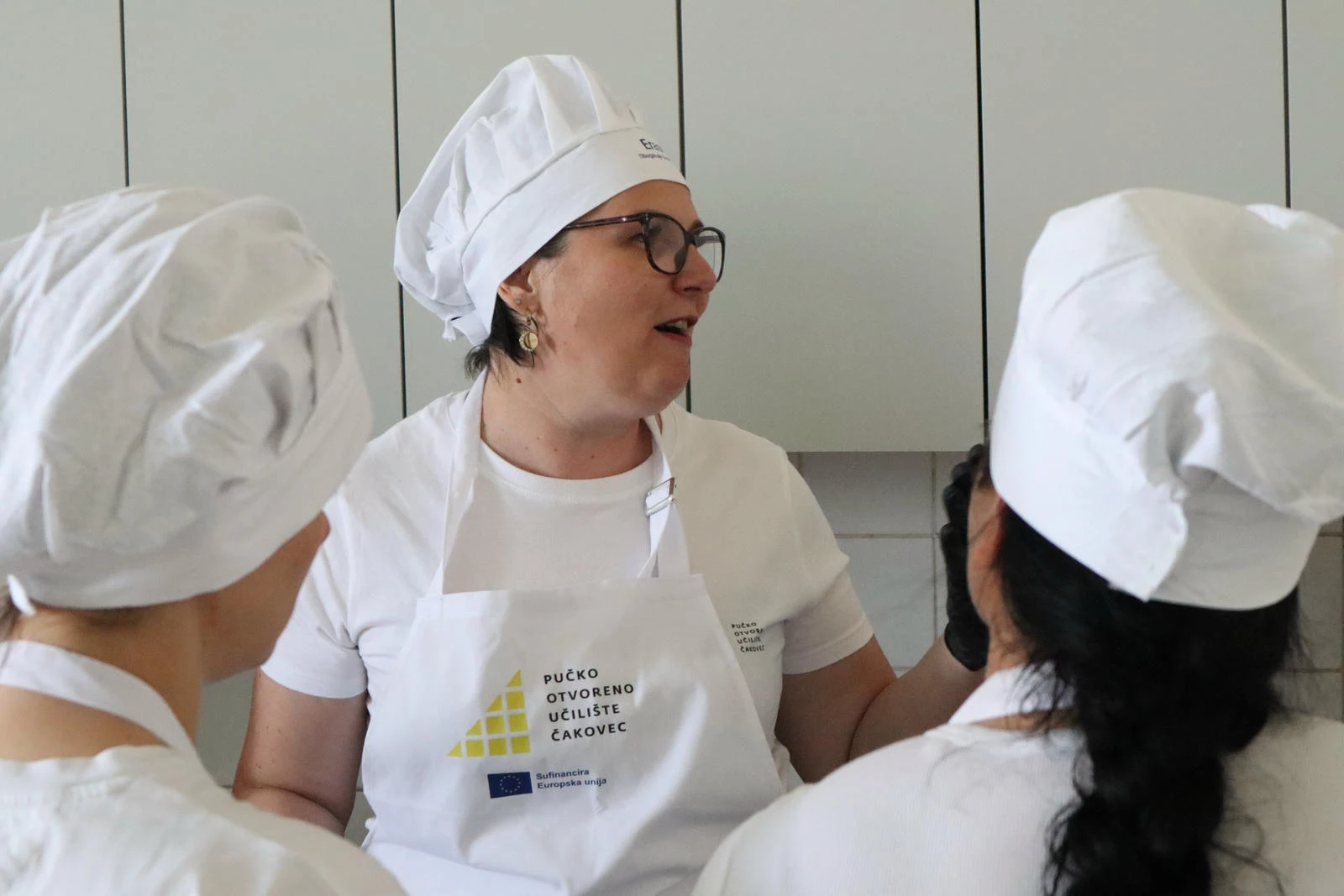
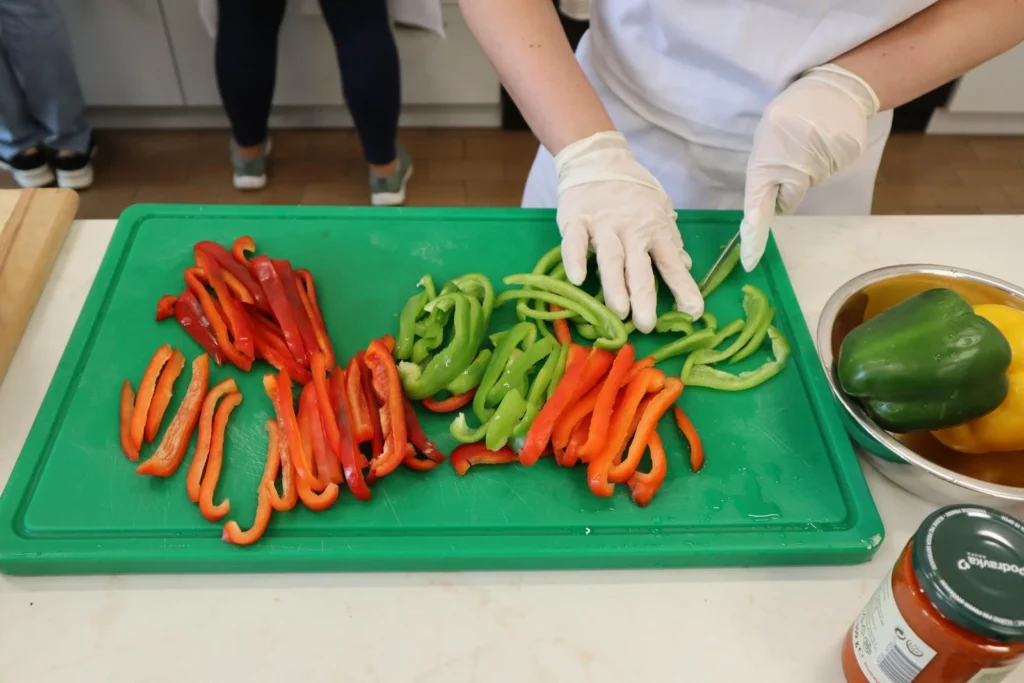
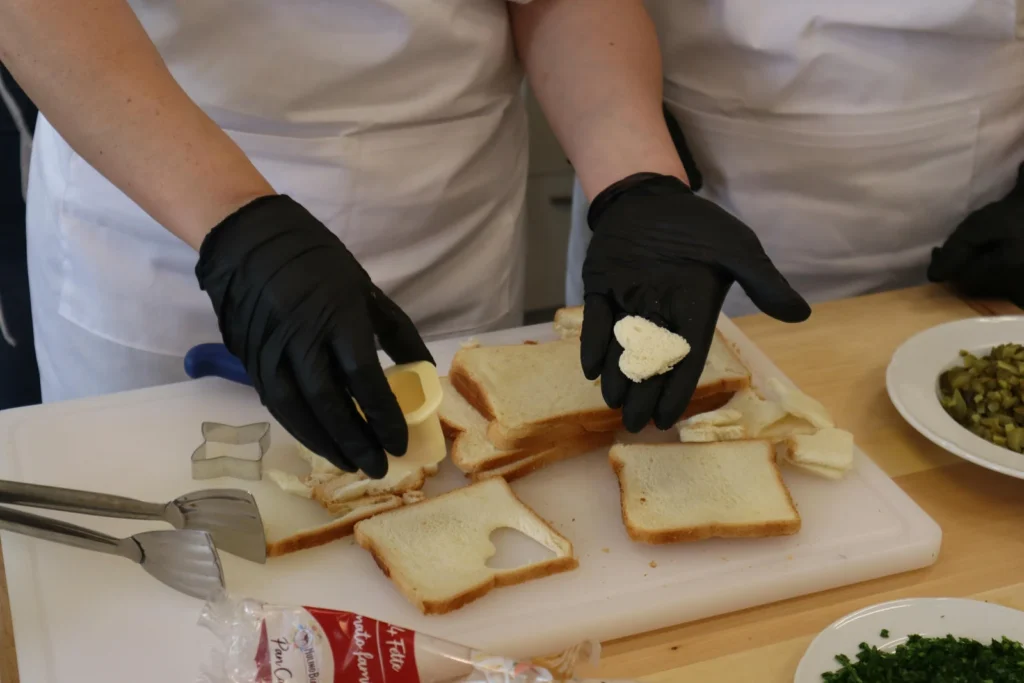
Upon successful completion of the theoretical component, participants progressed to the live practical classes. Under the expert guidance of Anica Naranđa, a long-standing professional associate of the institution and an experienced vocational teacher-mentor, they applied their theoretical knowledge through practical exercises and the preparation of a diverse array of dishes.
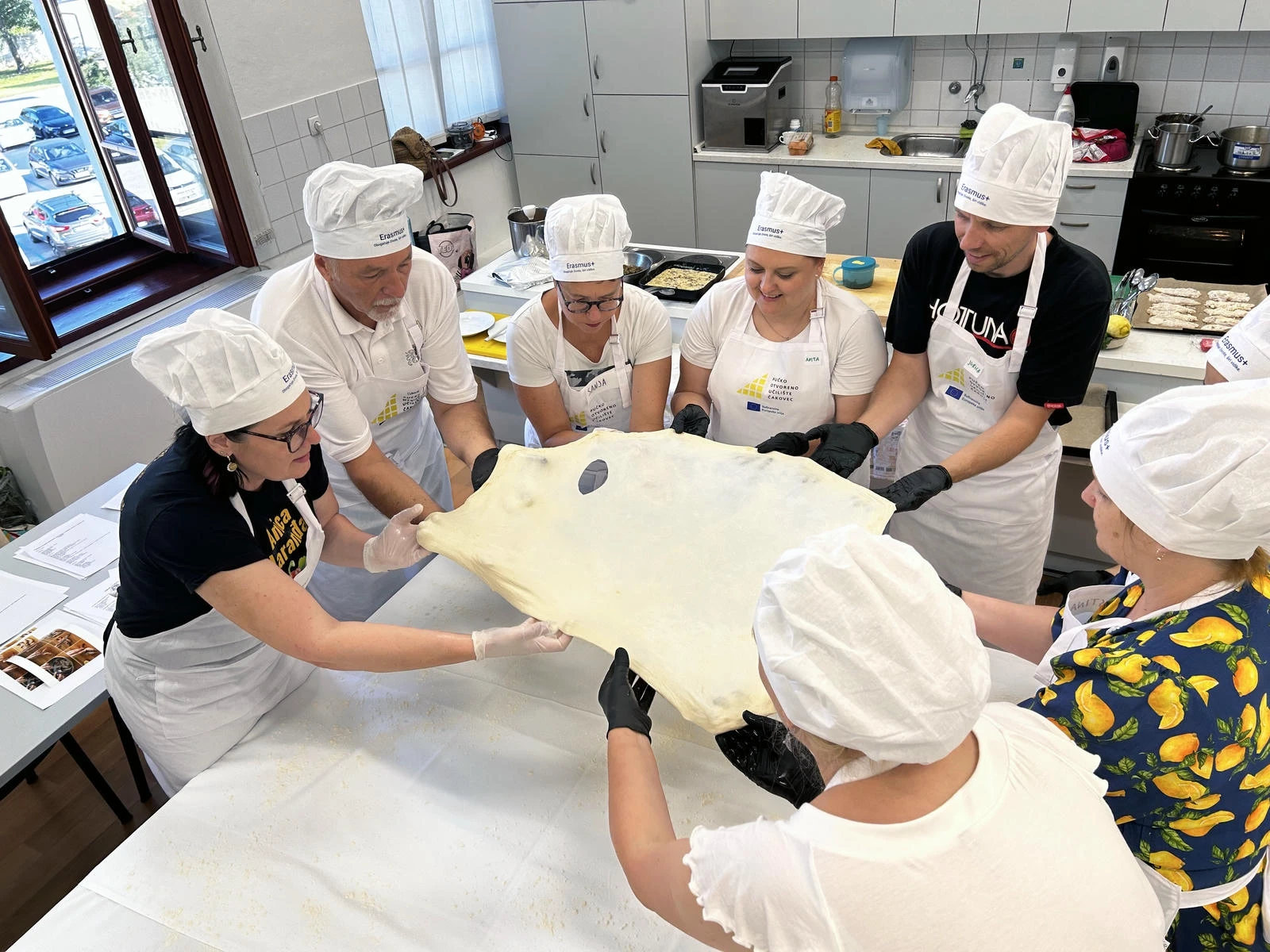
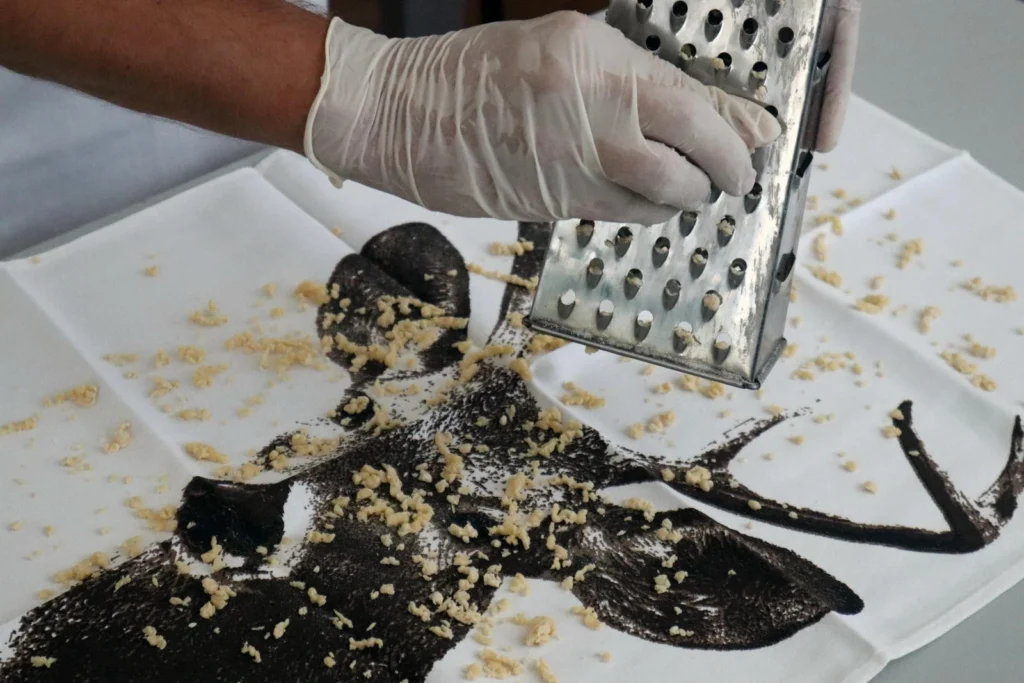
During the workshops, participants had the opportunity to familiarize themselves with the application of procedures based on HACCP principles, as well as the functioning of a kitchen brigade in simulated working conditions. They practiced the correct and safe use of kitchen tools and appliances, scaling recipe quantities, implementing a zero-waste approach, and utilizing various food preparation and processing techniques. The practical segment of the course comprised a total of six workshops.
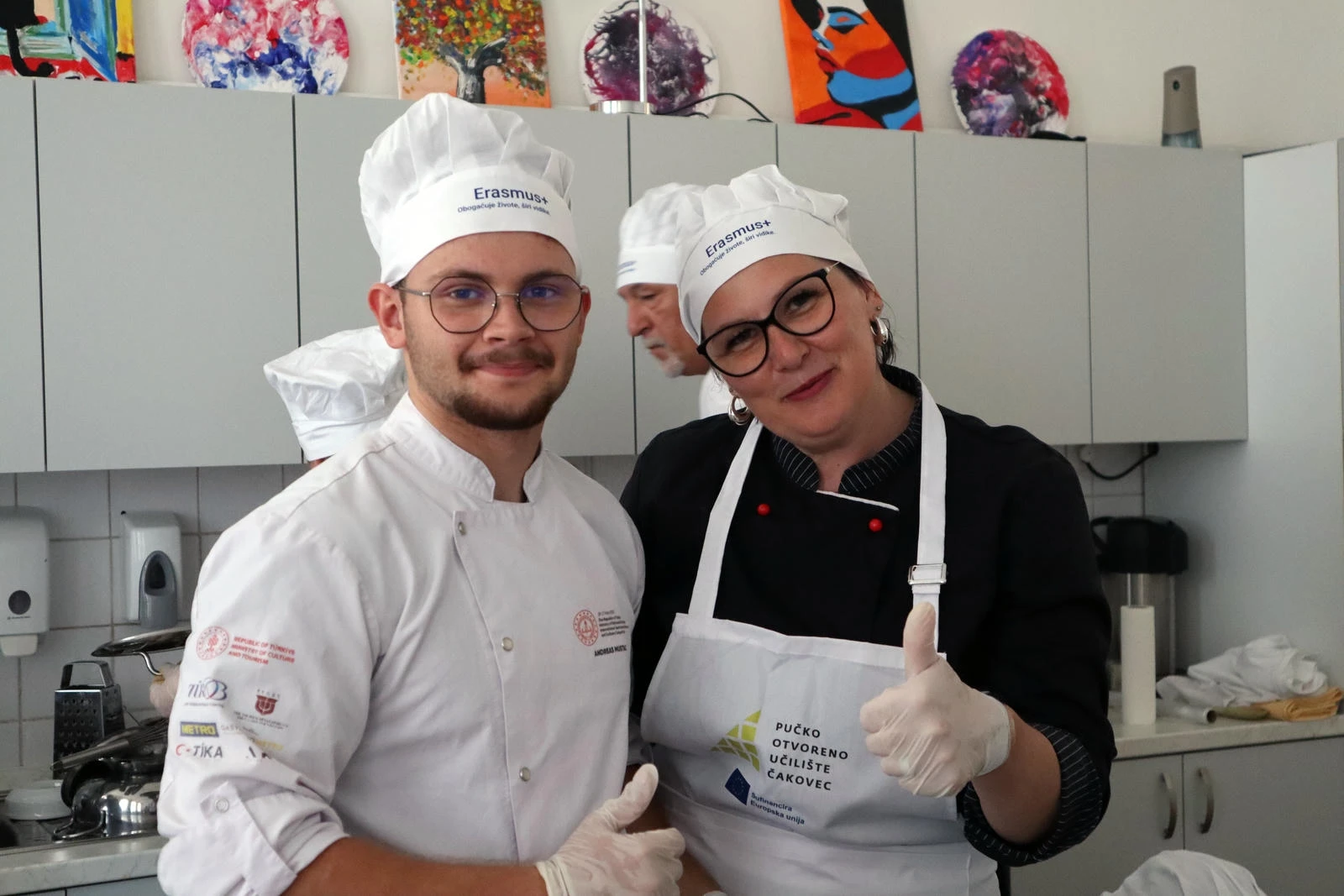
In one of the workshops, participants were joined by young chef Andreas Mustač. Together with his colleague Matej Glavina, he won a gold medal in the team cooking discipline at the international culinary competition “Pearl of the Sea” (Biser mora). Their team placed among the top three in a highly competitive field of 48 teams from 14 countries.
Andreas demonstrated his unique method of bridging traditional and contemporary approaches to preparing homemade pasta. Through his example, he encouraged participants to try introducing modern elements into traditional dishes themselves, while strictly respecting their foundational ingredients and characteristics.
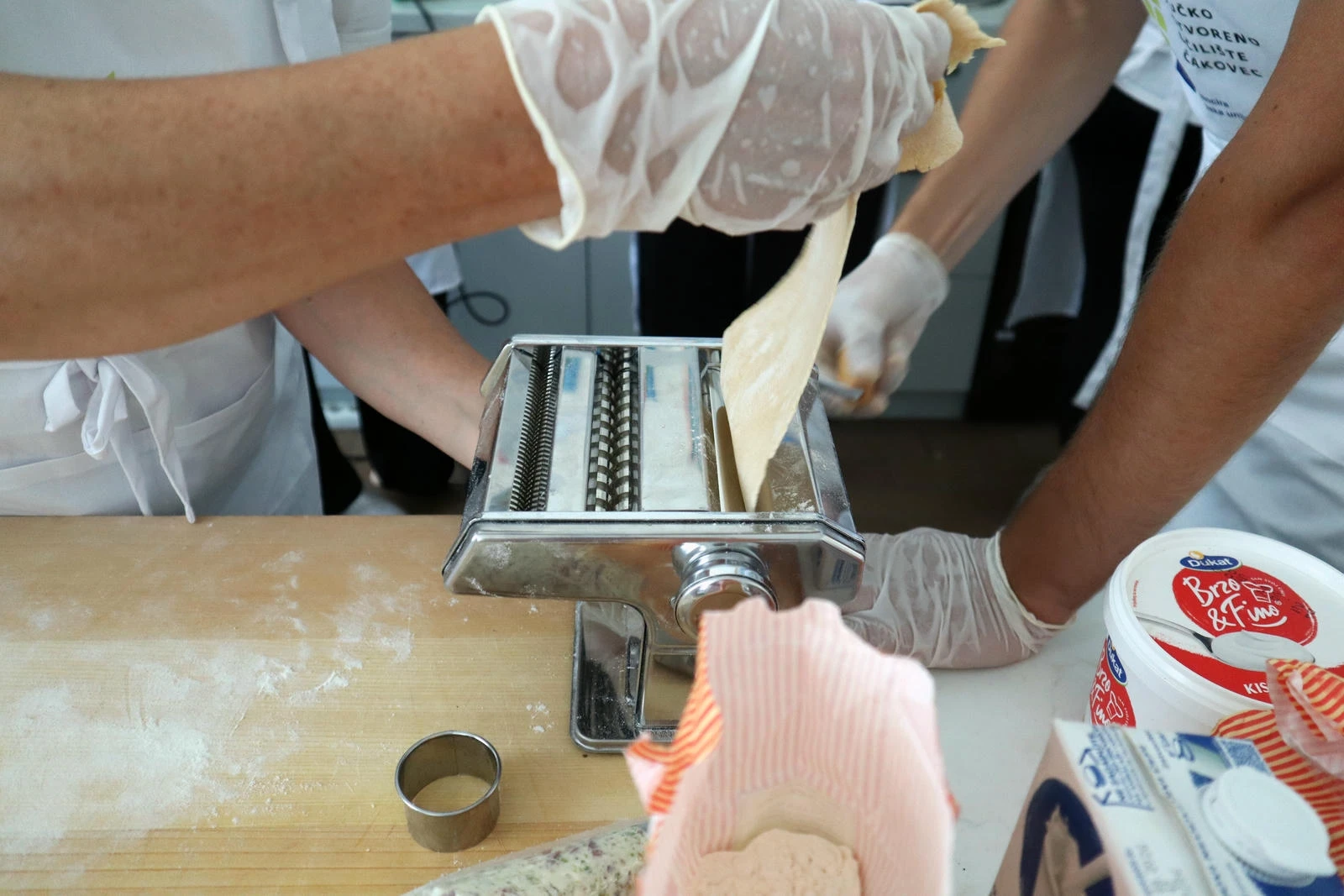
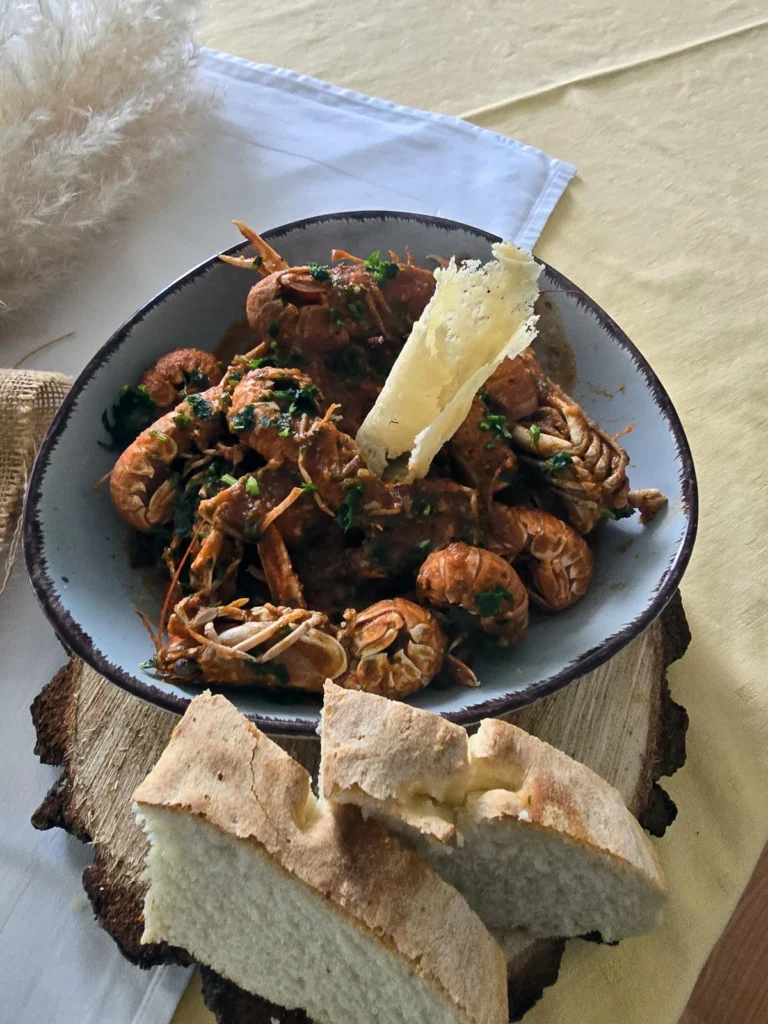
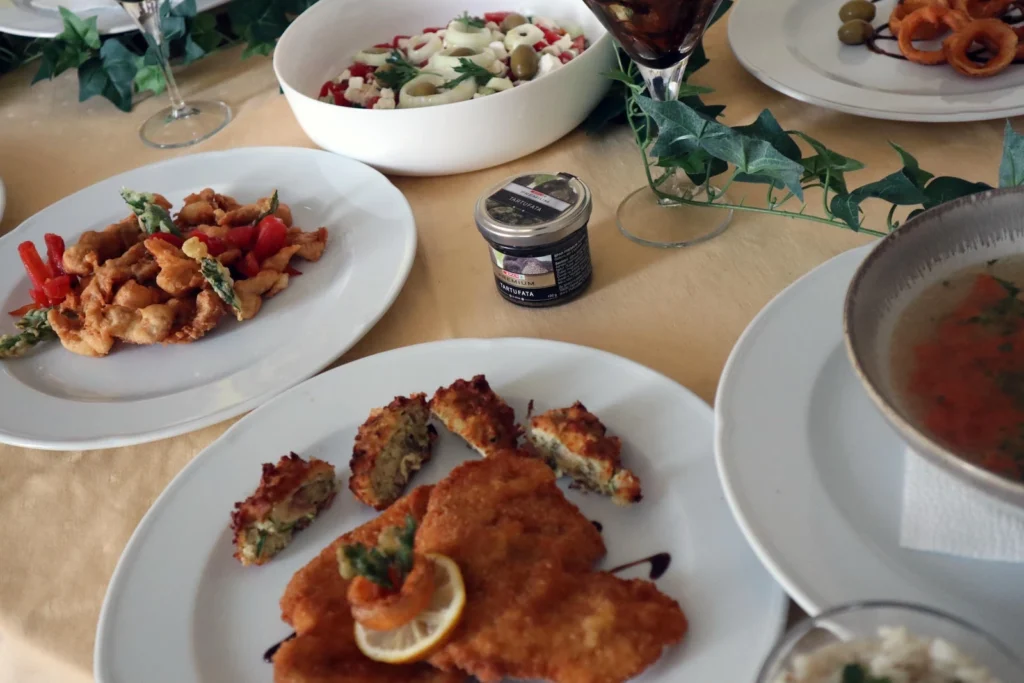
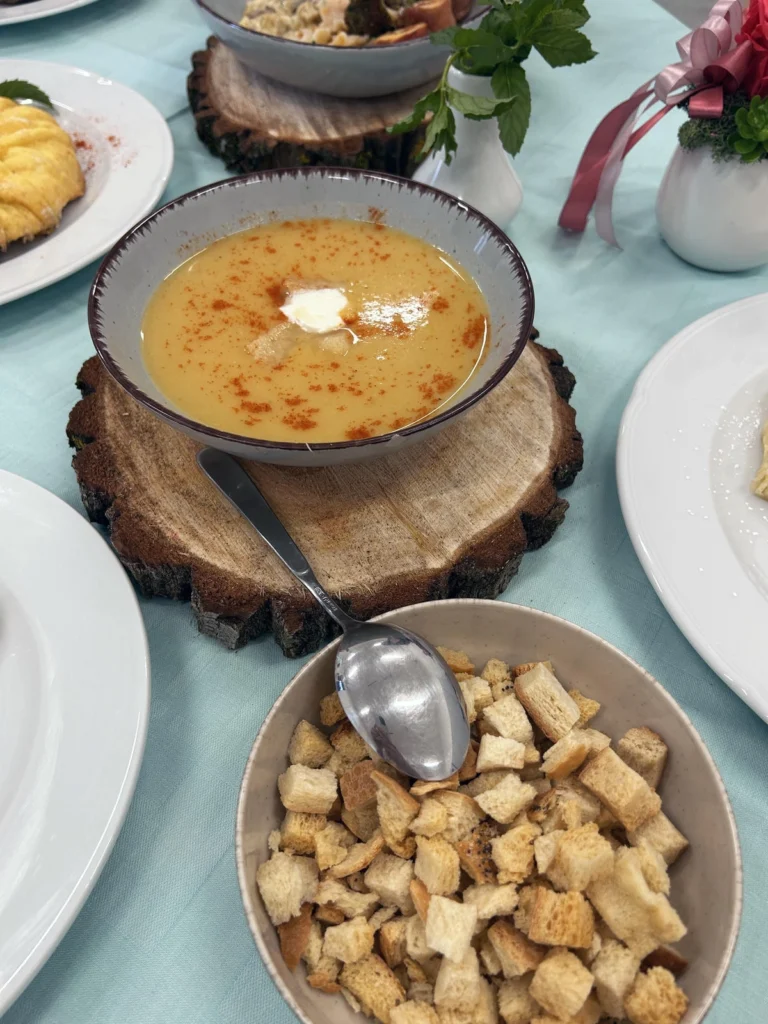
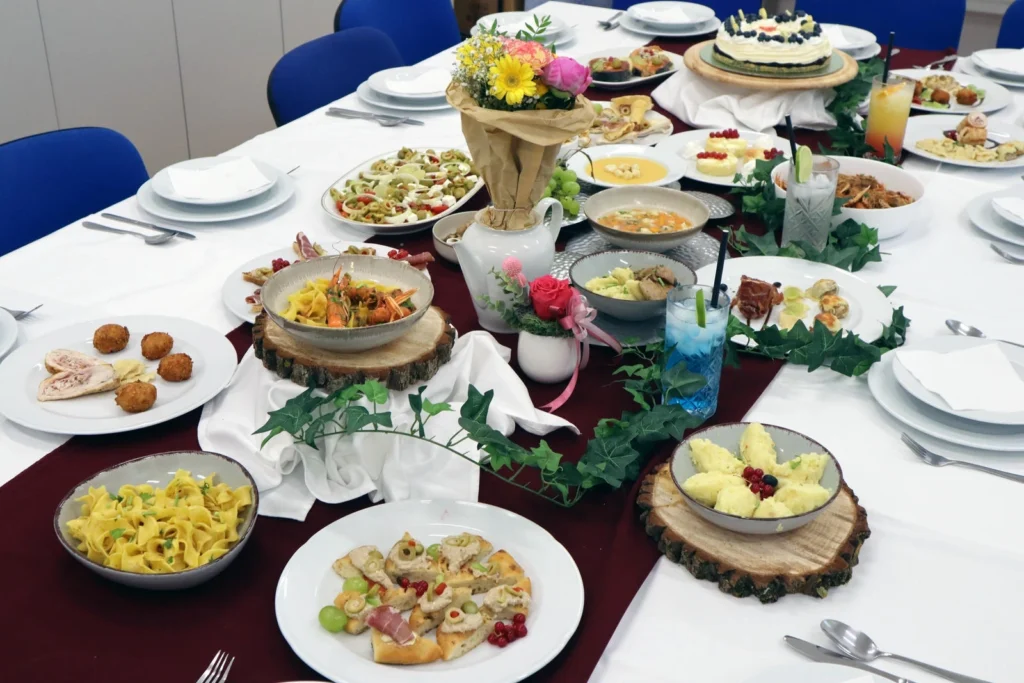
Participants showcased the knowledge acquired during the theoretical segment and practical workshops in a final skills assessment. Before a three-member evaluation committee—comprising mentor Anica Naranđa, vocational hospitality serving teacher Goran Žižek, and the Director of the Open University, Mario Zamuda—they presented their prepared dishes, explained the applied methods, and justified their chosen food processing techniques.
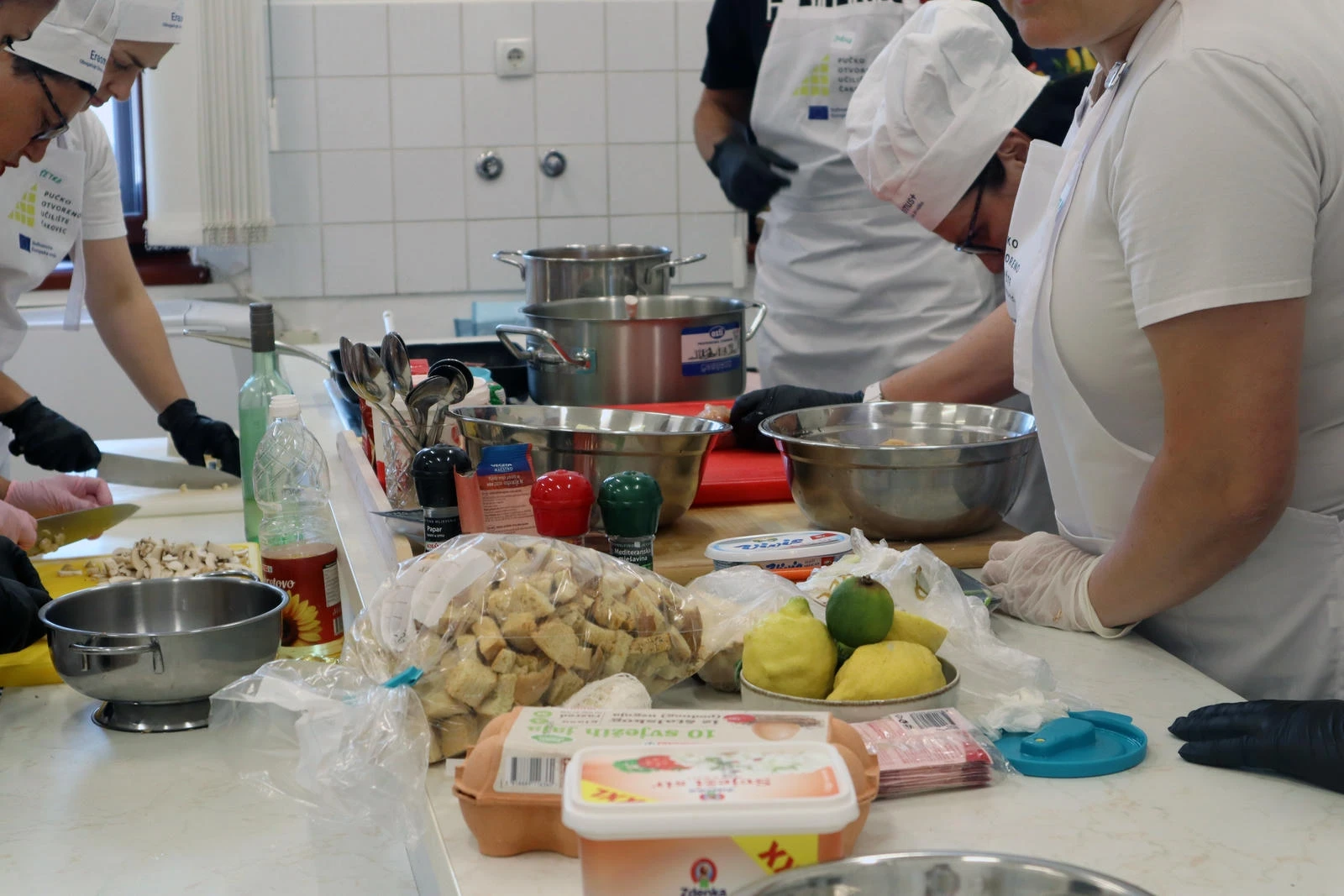
We are delighted to share the news that all nine participants successfully completed the entire course. We extend our congratulations to them once again for their dedication, perseverance, and achieved results!
We measure the success of the course not only by the number of graduates but also through their experiences and feedback. Therefore, we highlight some of their statements below:
- “In the kitchen, we confirmed and applied everything we covered in the online course.”
- “We had constant support from the educator, who provided an excellent introduction to working in a kitchen.”
- “Clearly defined objectives, excellent leadership, and well-organized workshops.”
- “Teamwork and the educator’s support functioned best.”
- “Everything was exceptionally well organized!”
These and other pieces of feedback collected during the implementation of the course will be utilized to further enhance the content and functionality of the platform. Following final adjustments, the online learning platform will be made available to the general public this autumn.
Follow our website and social media channels to stay informed about the platform’s availability and opportunities for involvement.
Until our next cooking session!

Funded by the European Union. Views and opinions expressed are however those of the author(s) only and do not necessarily reflect those of the European Union and the OeAD-GmbH. Neither the European Union nor the granting authority can be held responsible for them.
