
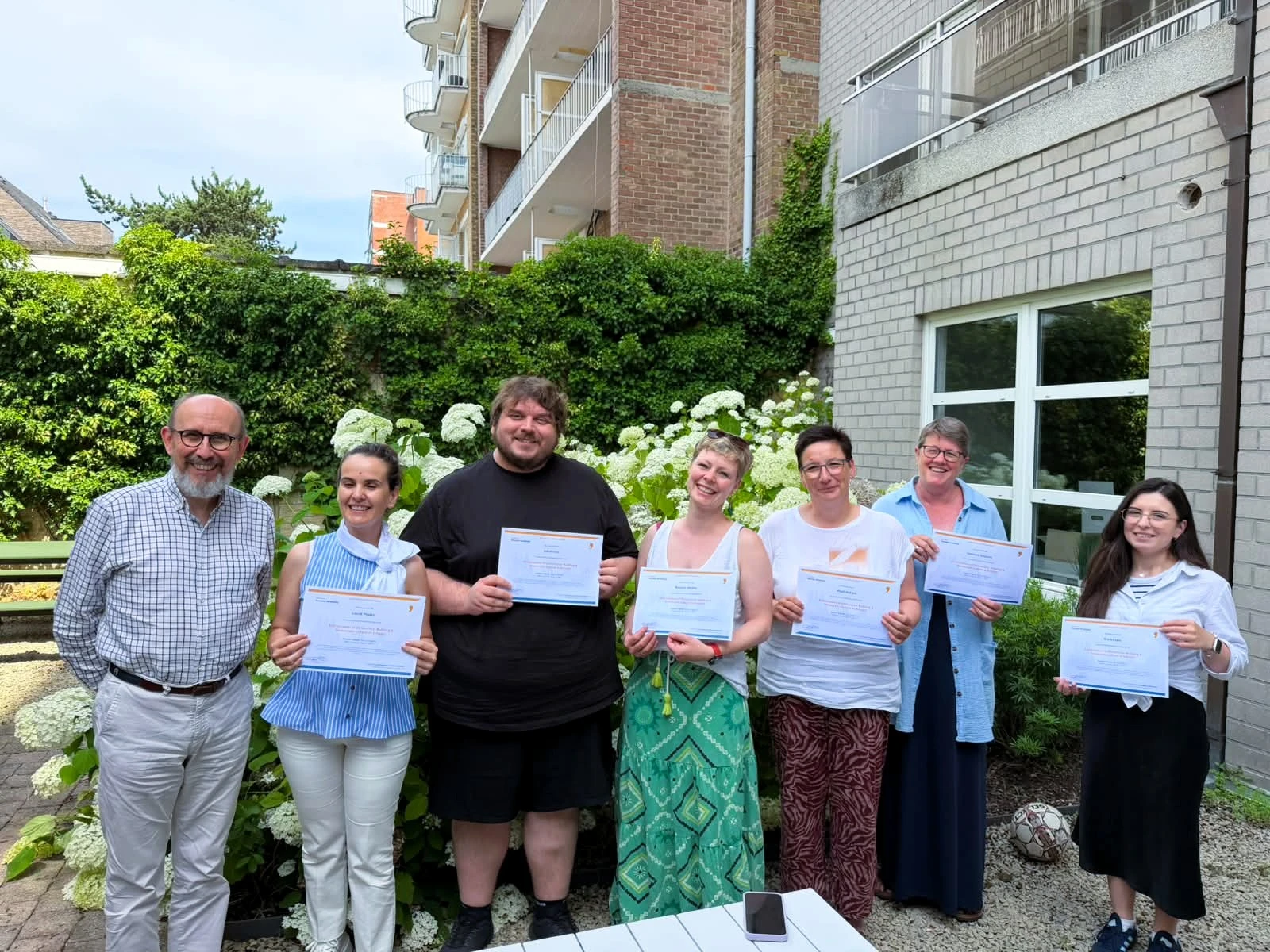
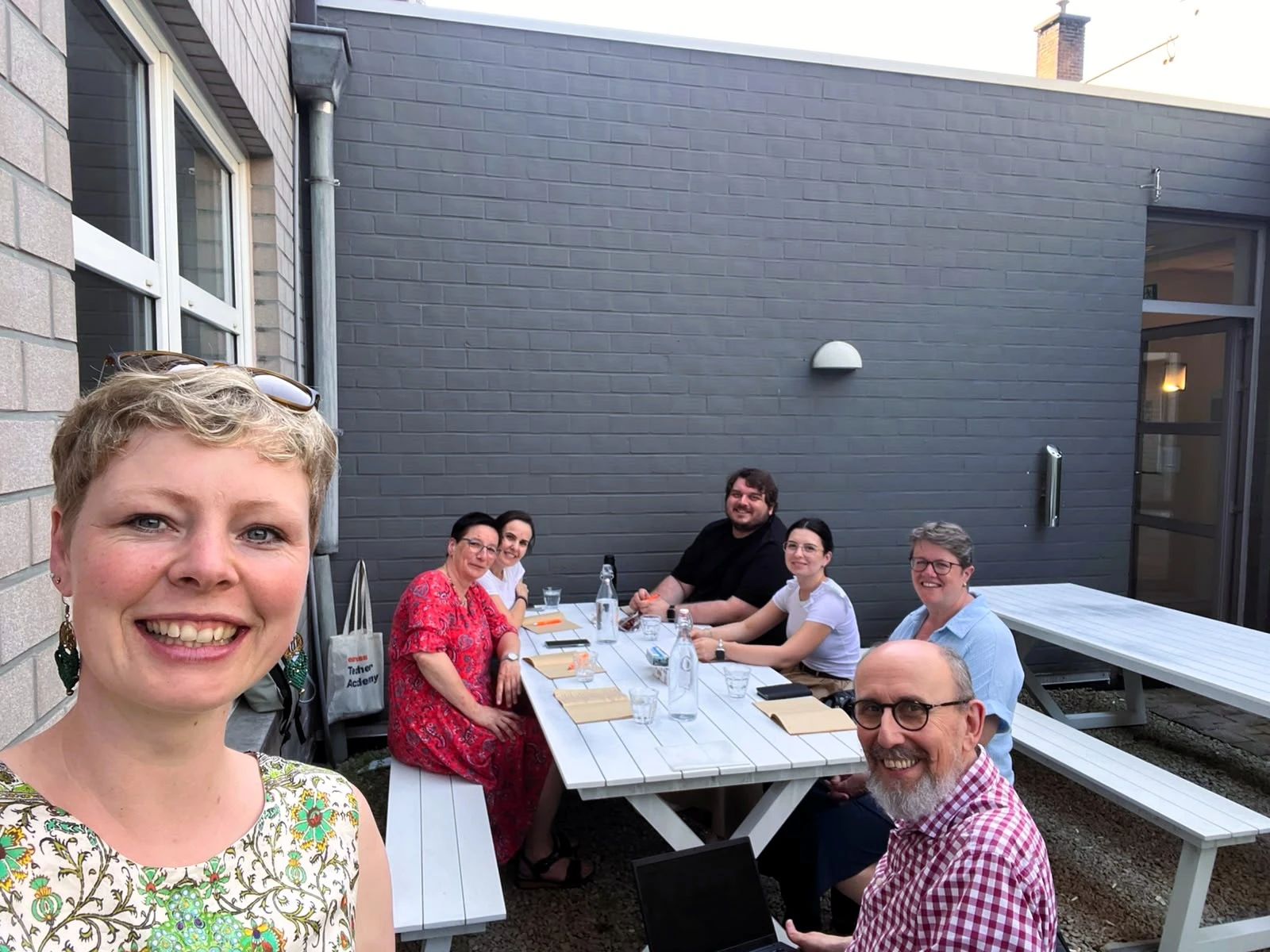
From June 22 to 27, a structured course titled “Ambassadors of Democracy: Building a Democratic Culture in Schools,” organized by the Europass Teacher Academy, was held in Ghent, Belgium. Within the framework of the Erasmus accreditation of the Public Open University (POU) Čakovec in the field of adult education, staff members Jana Bračko and Ivica Jeđud participated in the course.
The mobility focused on one of the key, yet often less visible, dimensions in adult education – the development of democratic competences. Although contemporary discussions frequently emphasize digital and green skills, as well as labor market needs, participation in this course raised the question of how adult education can contribute to the active participation of citizens in society, critical thinking, and responsible decision-making.
Through lectures, group work, discussions, and practical activities, the participants examined ways in which democratic values and competences can be integrated into the educational process. Special attention was given to the Council of Europe’s Reference Framework of Competences for Democratic Culture (RFCDC) and its application in working with adult learners.
Democracy as a Daily Educational Practice
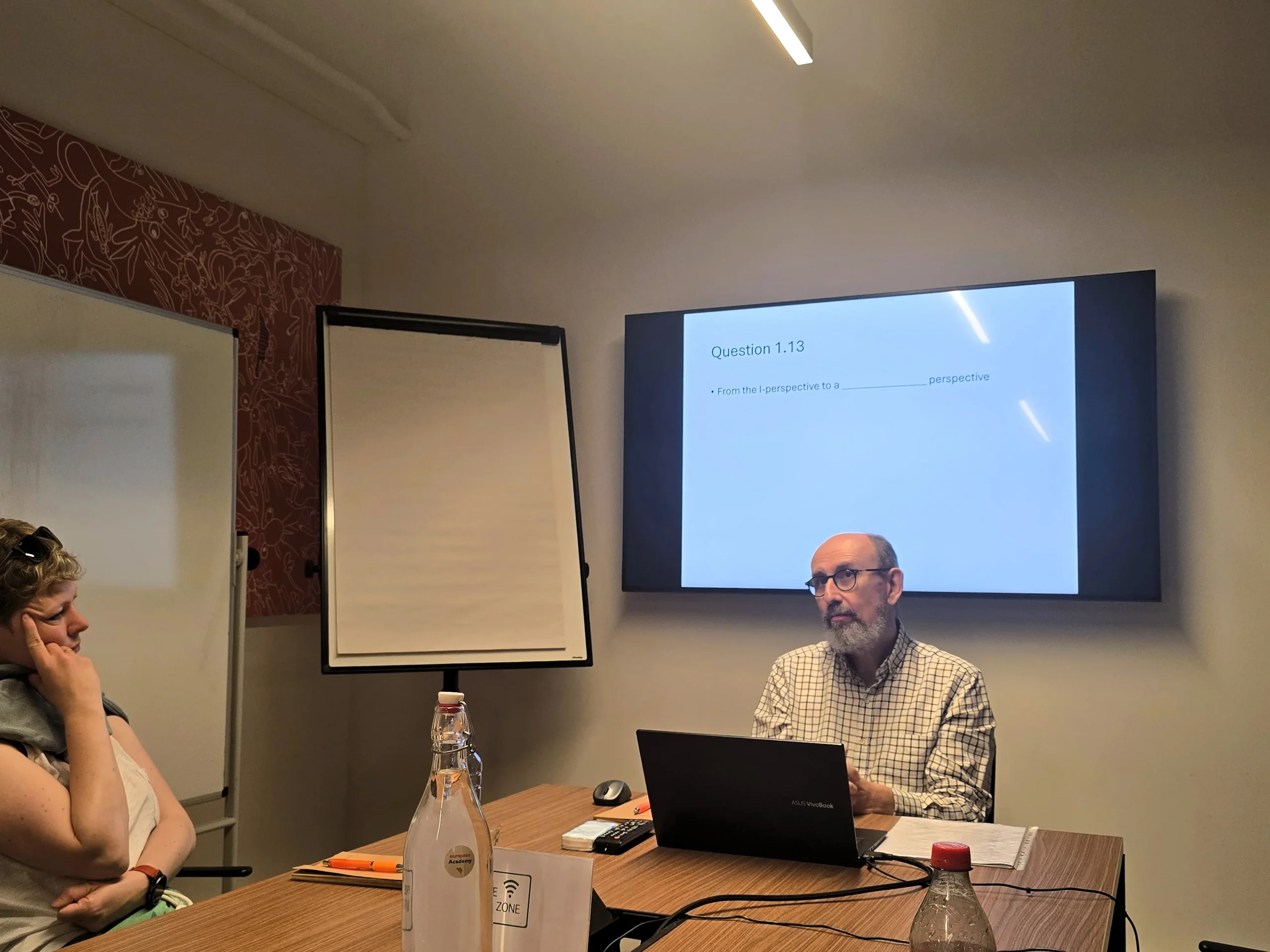
One of the key messages of the course was that democracy is not learned solely through theory, but through everyday practice in the classroom. Through concrete examples and activities, participants explored how the educational process can become a space where democracy is actively lived – through dialogue, the exchange of opinions, and the inclusion of all learners.
This is particularly important in adult education because learners come with diverse life and professional experiences. These very experiences can become the foundation for learning, but only if they are recognized and integrated into the teaching process. During the mobility, it was emphasized that democratically oriented education implies an active role for learners, rather than merely the transfer of content. Ivica Jeđud highlighted the significance of this experience:
„Although it sometimes seems that democracy, faced with global challenges, is at a crossroads and losing its strength, it is very much alive. Participating in this course was a useful reminder of that fact. Democracy lives in our classrooms, among our learners, and in our educational programs. It must be fought for anew, built daily, developed, nurtured, and brought to awareness.“
The RFCDC as a Tool for Developing Democratic Competences
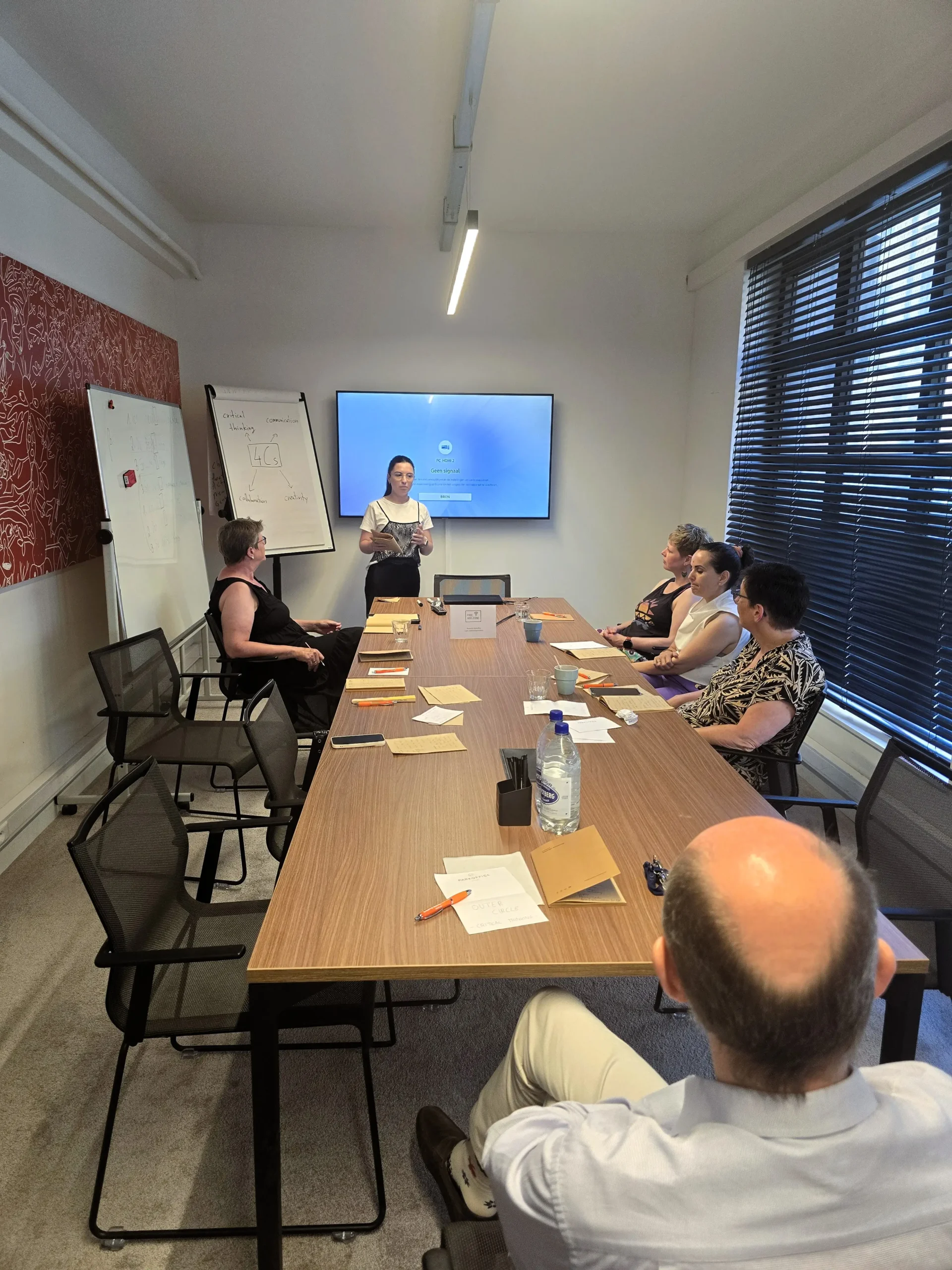
The central part of the program was dedicated to the Reference Framework of Competences for Democratic Culture (RFCDC), which provides a structured approach to developing the competences necessary for life in a democratic and culturally diverse society.
Participants familiarized themselves with 20 competences divided into four clusters – values, attitudes, skills, and knowledge and critical understanding – and through practical tasks, they explored how to integrate them into various educational programs. A special emphasis was placed on linking theoretical concepts with concrete teaching situations.
Through workshops and group work, examples of activities that simultaneously develop professional knowledge and democratic competences, such as critical thinking, collaboration, and responsible participation, were analyzed. This further confirmed that democratic values are not an isolated topic, but can be developed through various forms of lifelong learning.
The Role of the Educator and Self-Reflection
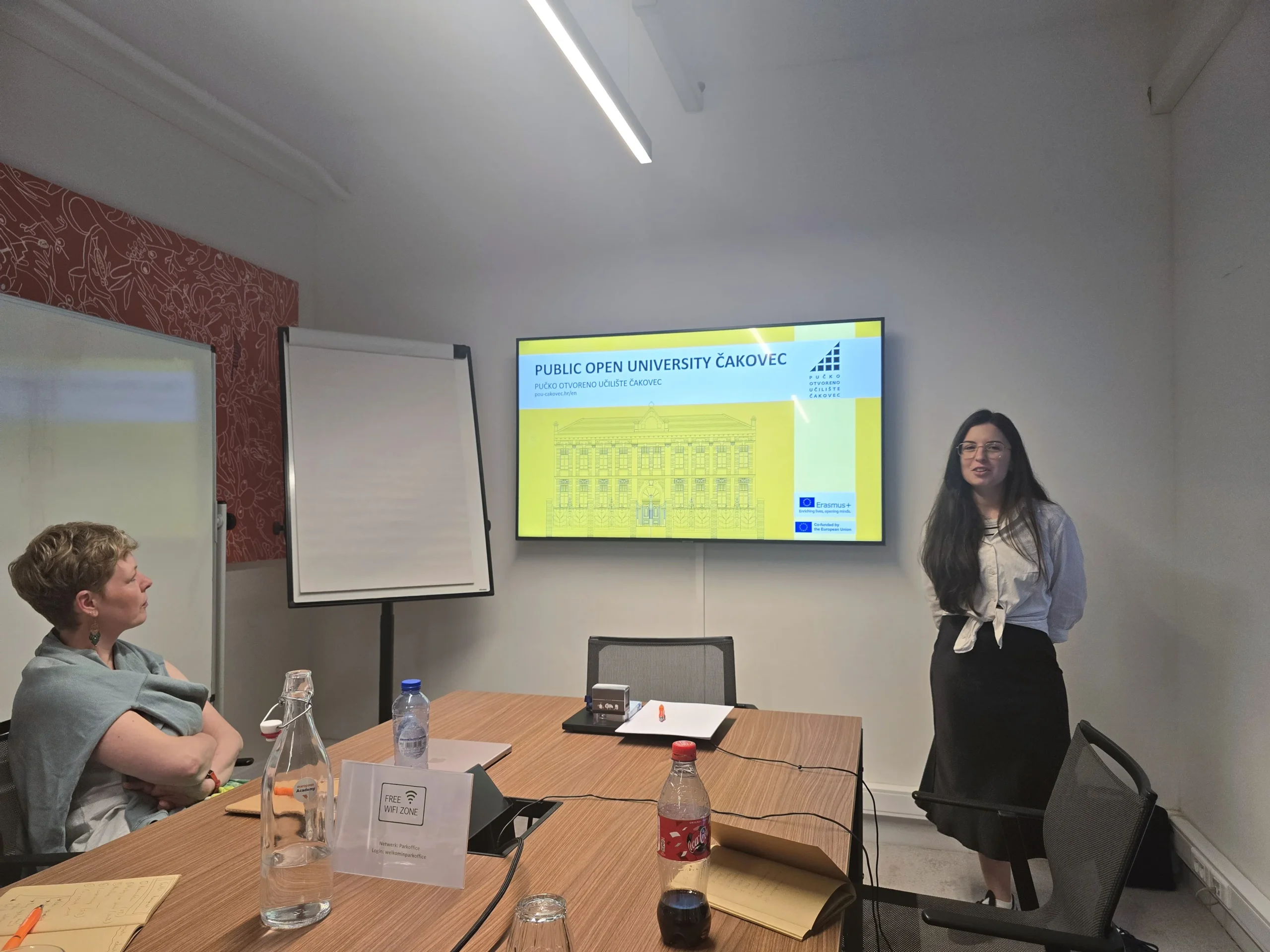
An important part of the mobility was dedicated to the educator’s role in creating a democratic learning environment. Participants worked with the Council of Europe’s self-reflection tool, which helps in re-examining one’s own teaching practices and relationships with learners.
Through guided activities and discussions, issues such as inclusivity in the classroom, ways of encouraging the participation of all learners, and reactions to differing opinions and disagreements were addressed. It was emphasized that a democratic classroom does not mean the absence of structure, but rather clearly defined rules that enable equal participation and mutual respect.
This approach is particularly relevant for adult education, where differences in experience, educational background, and self-confidence can affect the level of learner involvement. For this very reason, the educator plays a crucial role in creating a safe and stimulating learning environment.
Concluding Thought
The mobility in Ghent was not only an opportunity to acquire new knowledge but also an incentive to reflect on the broader role of adult education. It demonstrated how classrooms and educational activities for adults can be spaces where not only work-related skills are developed, but also competences essential for active and responsible participation in society. Jana Bračko summarizes the key message from this mobility:
„Democracy is not learned solely from books – it is built daily through the way we learn, teach, and collaborate.“

Funded by the European Union. Views and opinions expressed are however those of the author(s) only and do not necessarily reflect those of the European Union or Agency for Mobility and EU Programmes (AMPEU). Neither the European Union nor the granting authority can be held responsible for them.
