
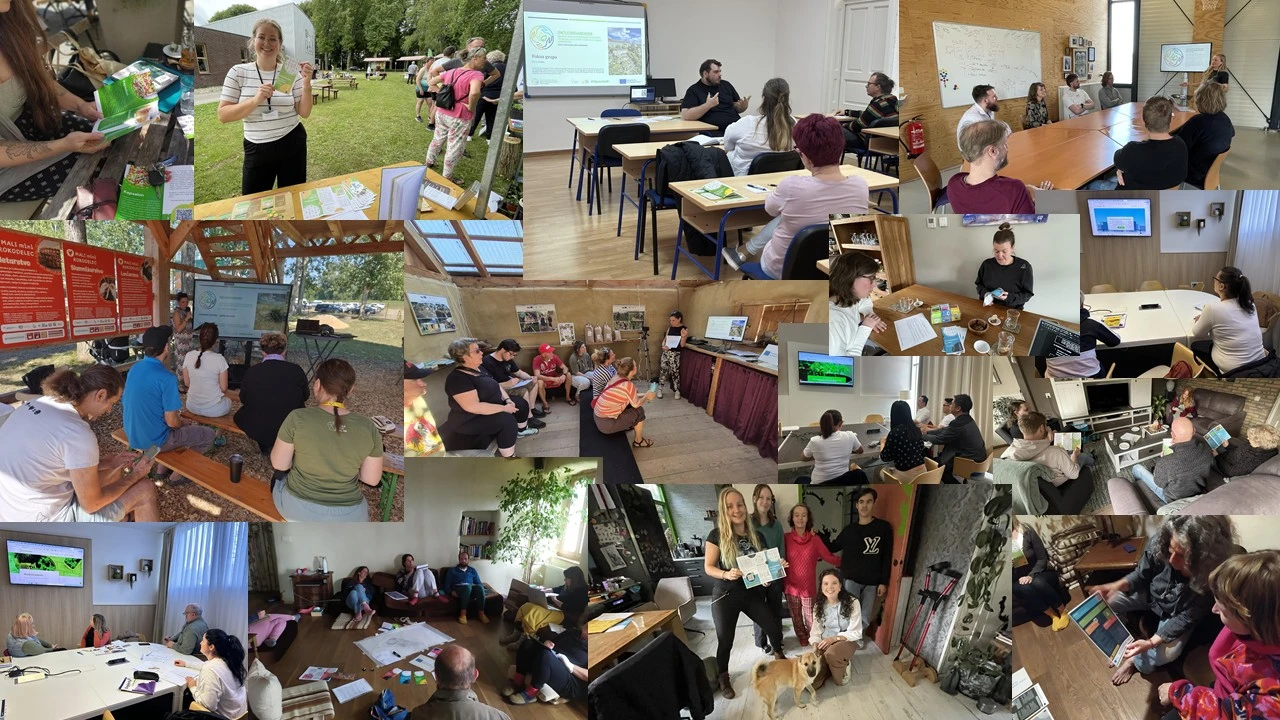
Over the past eighteen months, the InclusiGardens project has embarked on a unique mission across three European countries: to utilize urban micro-gardening as a powerful tool for social inclusion and lifelong learning.
Coordinated by Društvo za permakulturo Slovenije (Slovenia), in partnership with eVRgreen Studio (The Netherlands) and Pučko otvoreno učilište Čakovec (Croatia), this Erasmus+ initiative set out to make sustainable gardening accessible to everyone, with a specific focus on empowering adults who face barriers to educational and social participation.
As the official funding period of the project draws to a close, we look back at our shared achievements and look ahead to the sustainable future of the resources we have developed.
Looking Back: A Community-Driven Approach
From the very beginning, InclusiGardens was built on the principles of co-design and community engagement. We did not merely create resources for our target groups; we created them with our target groups.
The impact of this methodology is reflected in our project’s vital statistics:
- Over 120 community members actively participated in co-designing the project results, contributing their insights through 18 focus groups and comprehensive online surveys.
- Three extensive workshop series were successfully piloted across Slovenia, Croatia, and the Netherlands, allowing educators and learners to test the materials in real-world environments.
- Our dissemination efforts, bridging local events and digital campaigns (including the EPALE platform), successfully reached more than 75,000 individuals across Europe.
- The InclusiGardens Digital Hub far exceeded our initial expectations, welcoming 7,680 visitors seeking open educational resources.
The Resources: Tools for Educators and Learners
The core legacy of the project lies in its carefully crafted, widely accessible intellectual outputs. All materials have been developed as Open Educational Resources (OER), meaning they are entirely free, adaptable, and available in four languages.
The comprehensive suite of resources includes:
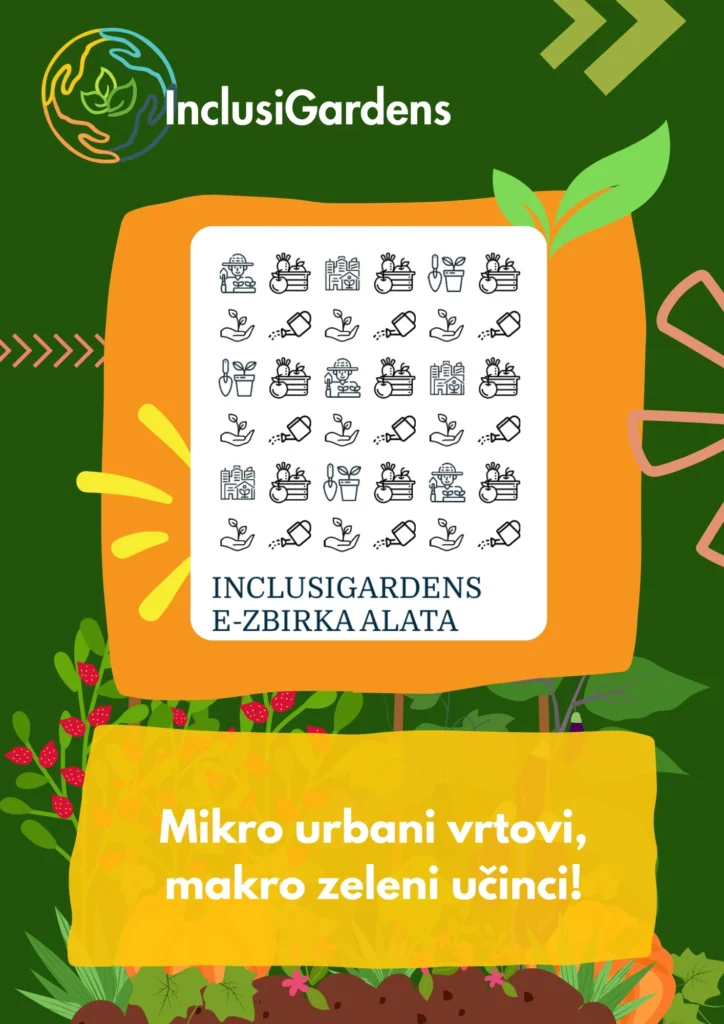
- The e-Toolkit: Five practical modules guiding beginners through the fundamentals of setting up a micro-garden on a balcony or windowsill, requiring no prior experience.
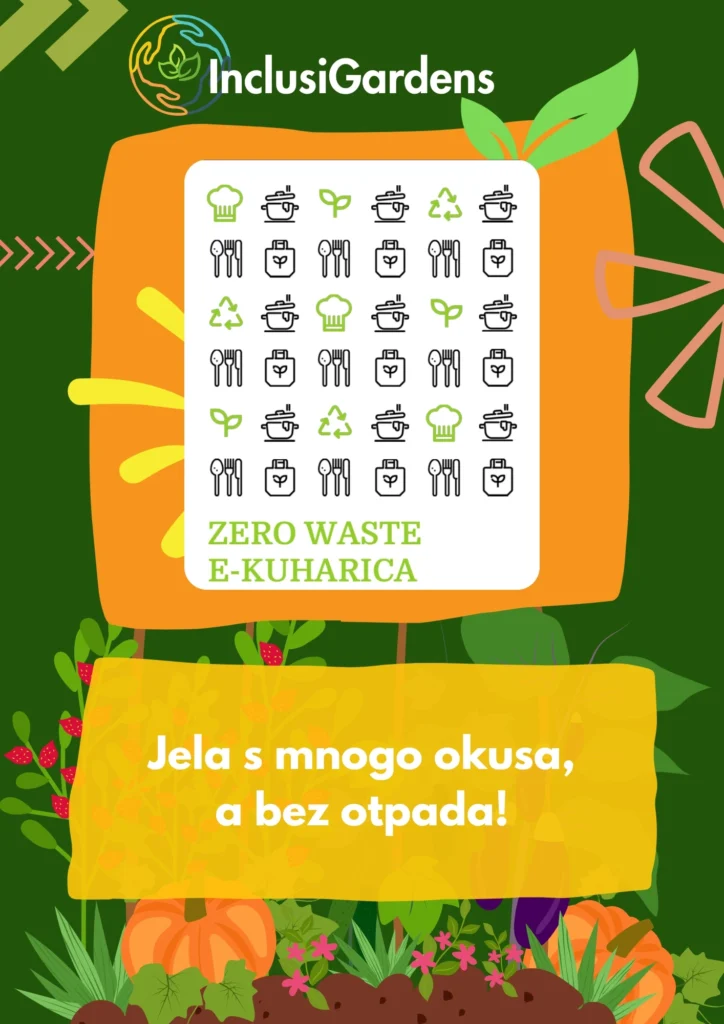
- The e-Cookbook: A collection of zero-waste recipes demonstrating how to transform home-grown herbs and vegetables into sustainable meals, honoring the “from seed to plate” philosophy.
- Gamification Strategies: Expert guidelines designed specifically for adult and inclusive education, helping trainers transform standard sustainability concepts into highly engaging, interactive experiences.
- The Curriculum: A complete training program tailored for adult educators working with vulnerable groups. It integrates the e-Toolkit into structured session plans, providing all necessary materials for hands-on teaching.
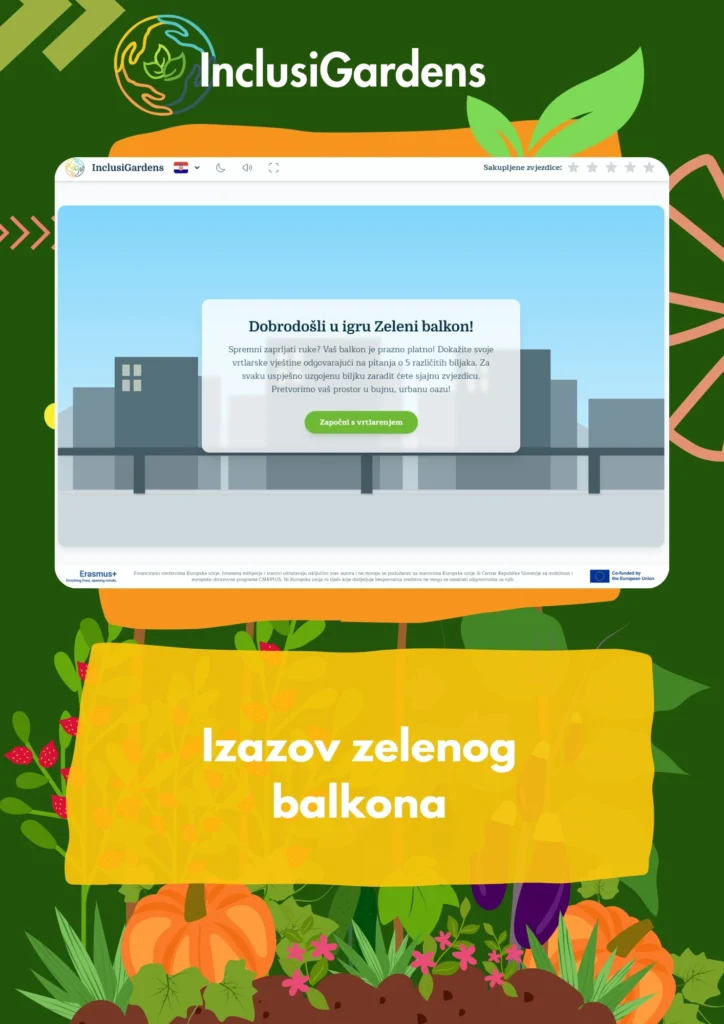
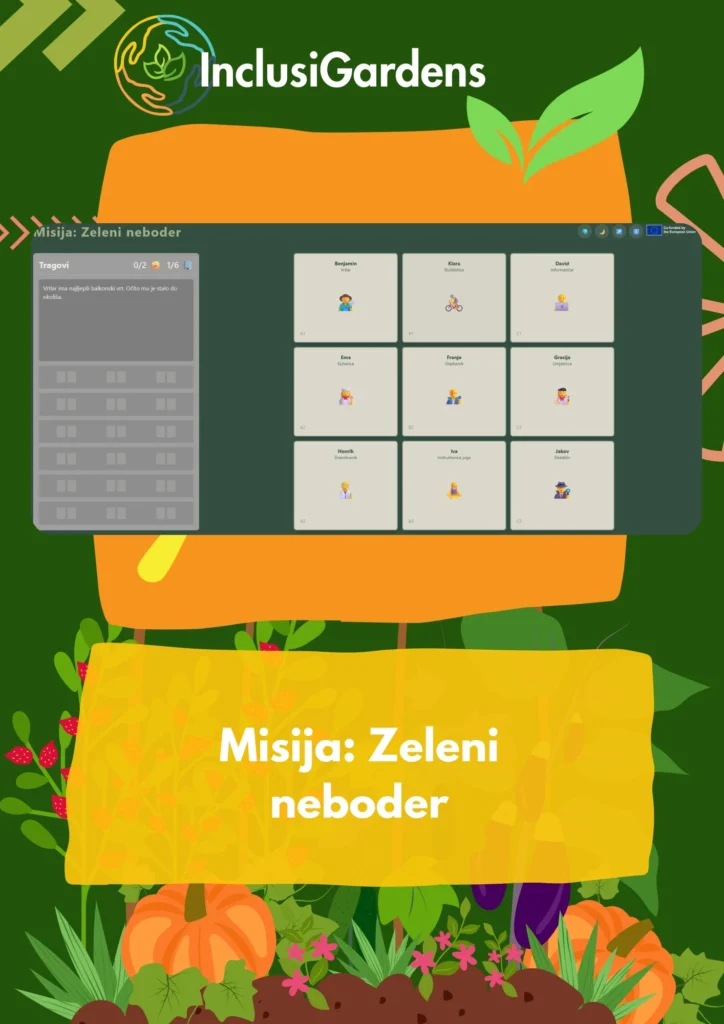
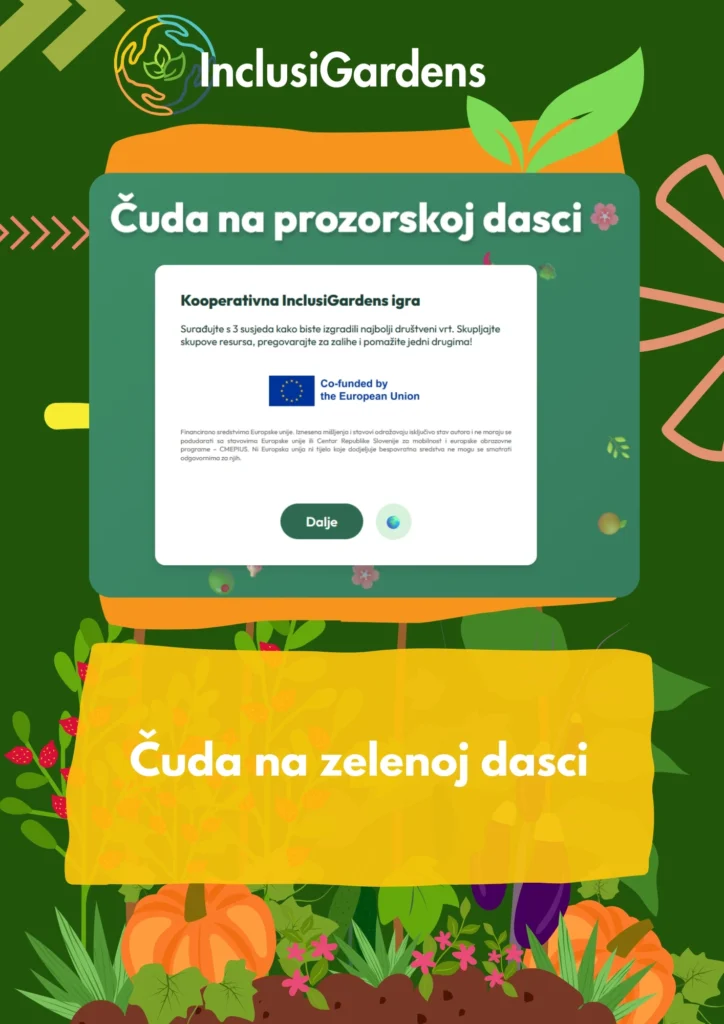
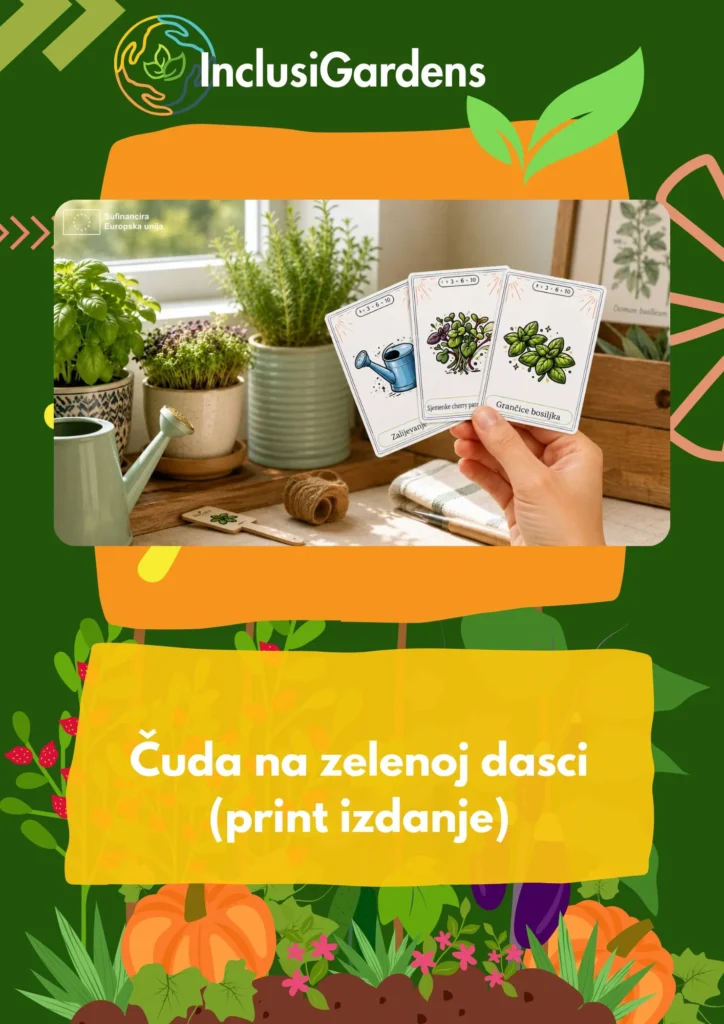
- Educational Games: Three browser-based digital serious games and one ready-to-print card game (“Windowsill Wonders”), offering accessible, screen-based and screen-free methods to reinforce sustainable learning.
Looking Ahead: The Seeds Keep Growing
While the formal timeline of the InclusiGardens project concludes, its true impact is only just beginning. The InclusiGardens Digital Hub will remain fully operational and open to the public. Educators, community organizers, and gardening enthusiasts are encouraged to continue downloading, adapting, and sharing these materials within their own communities.
Real change in adult education and social inclusion does not end when project funding ceases. It continues to grow in adult education classrooms, community centers, and on kitchen windowsills across Europe. We extend our deepest gratitude to all participants, partners, and educators who walked this path with us.
To explore and download the free resources, visit the InclusiGardens Digital Hub.

Funded by the European Union. Views and opinions expressed are however those of the author(s) only and do not necessarily reflect those of the European Union or Centre of the Republic of Slovenia for Mobility and European Educational and Training Programmes – CMEPIUS. Neither the European Union nor the granting authority can be held responsible for them.
