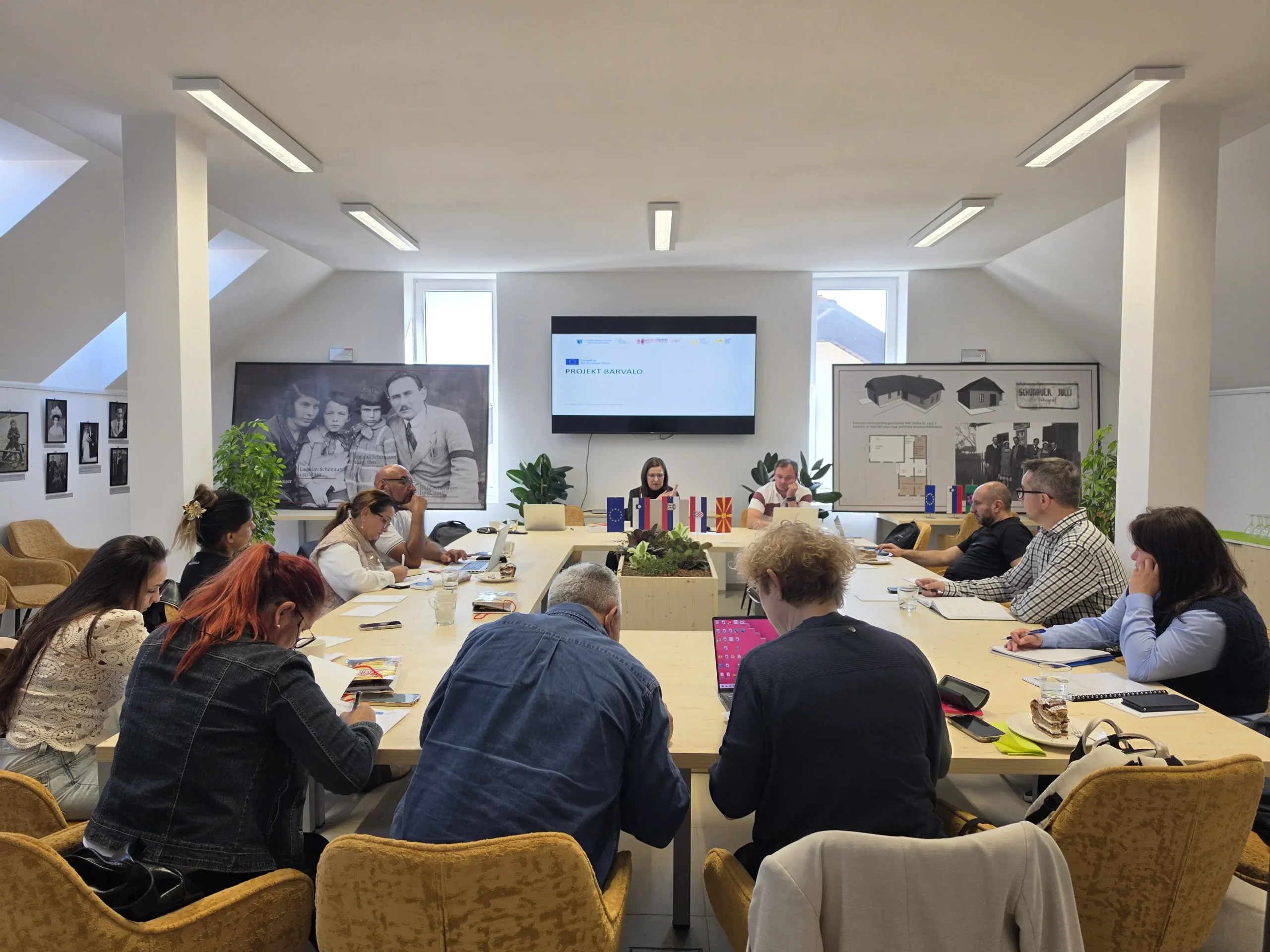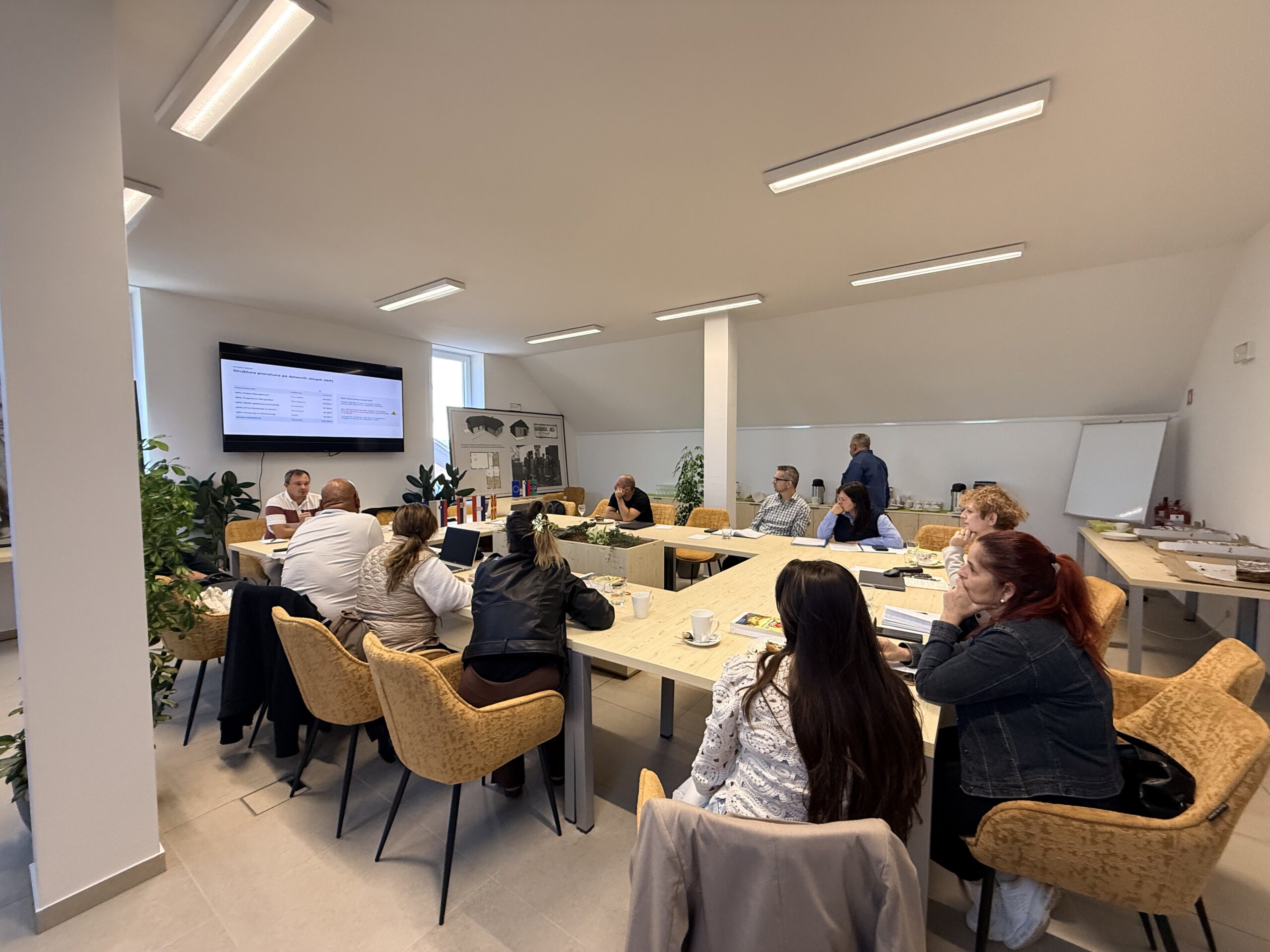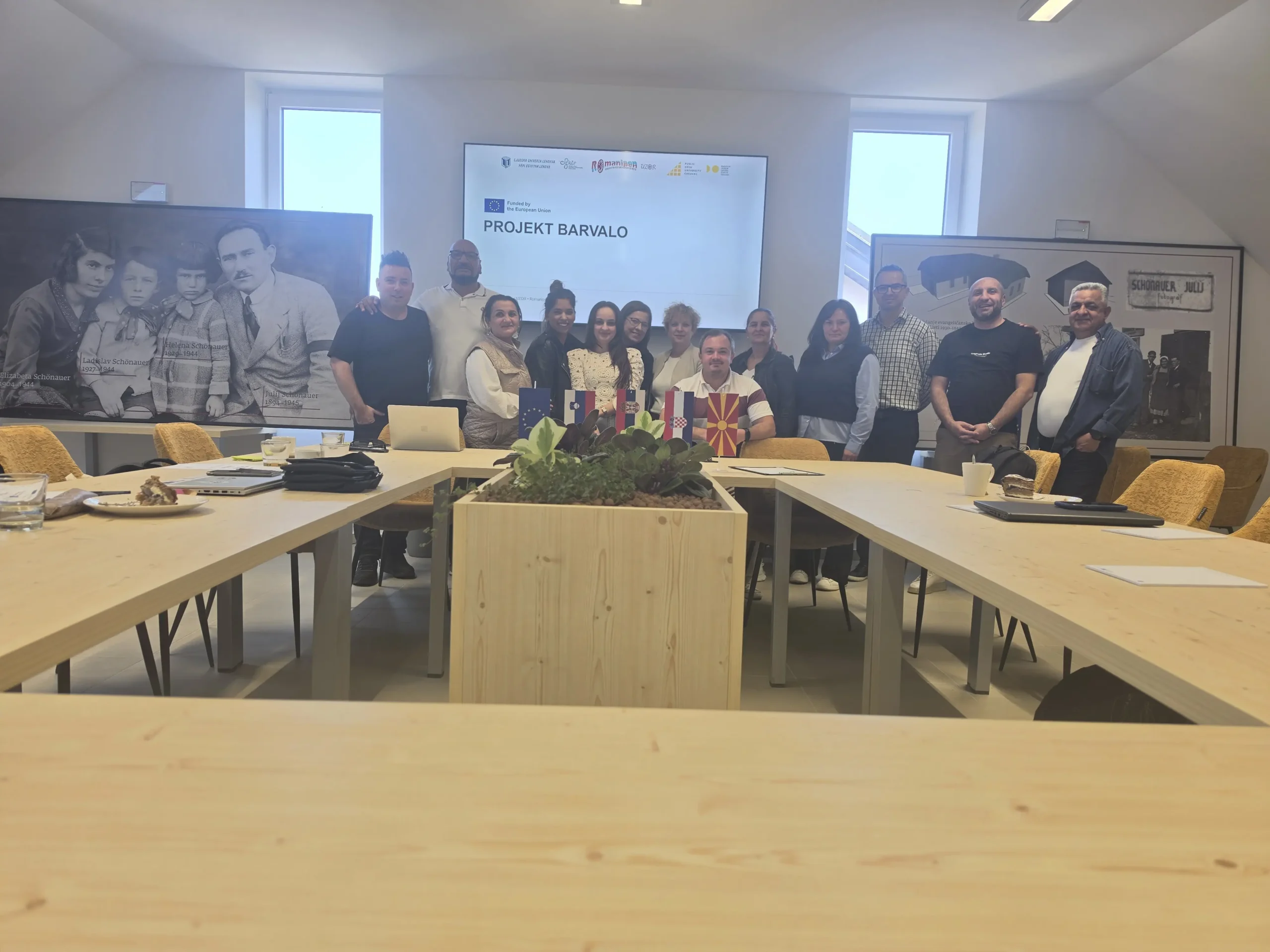
The BARVALO project – Budgeting, Awareness, Responsibility for Valuable Opportunities – has officially begun.
Implemented under Erasmus+ in the field of adult education, the project runs from September 2026 to August 2028. With a total budget of €250,000, it aims to empower members of the Roma national minority by developing financial literacy, reducing economic vulnerability and creating opportunities for greater financial independence.
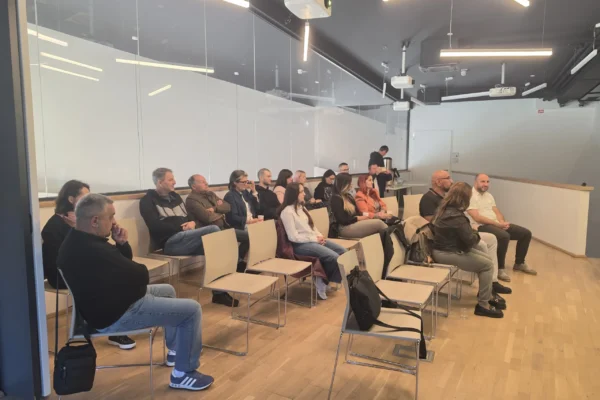
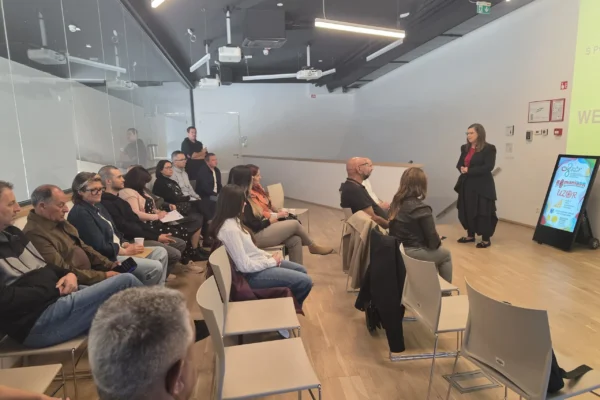
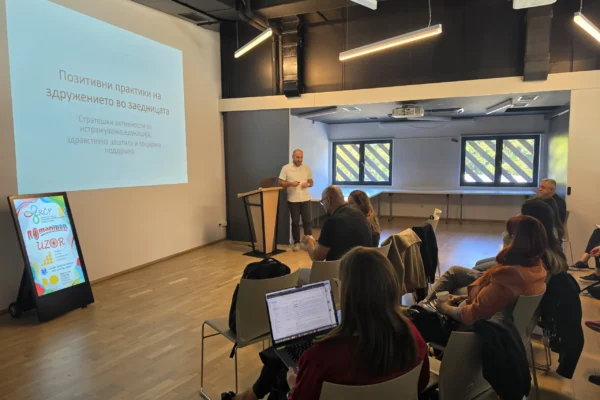
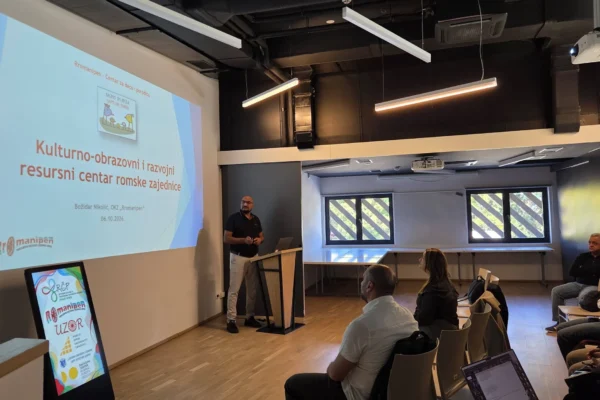
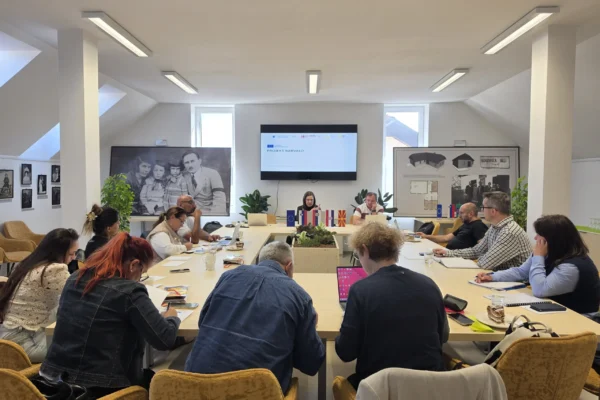
Partners Meet for the First Time in Slovenia
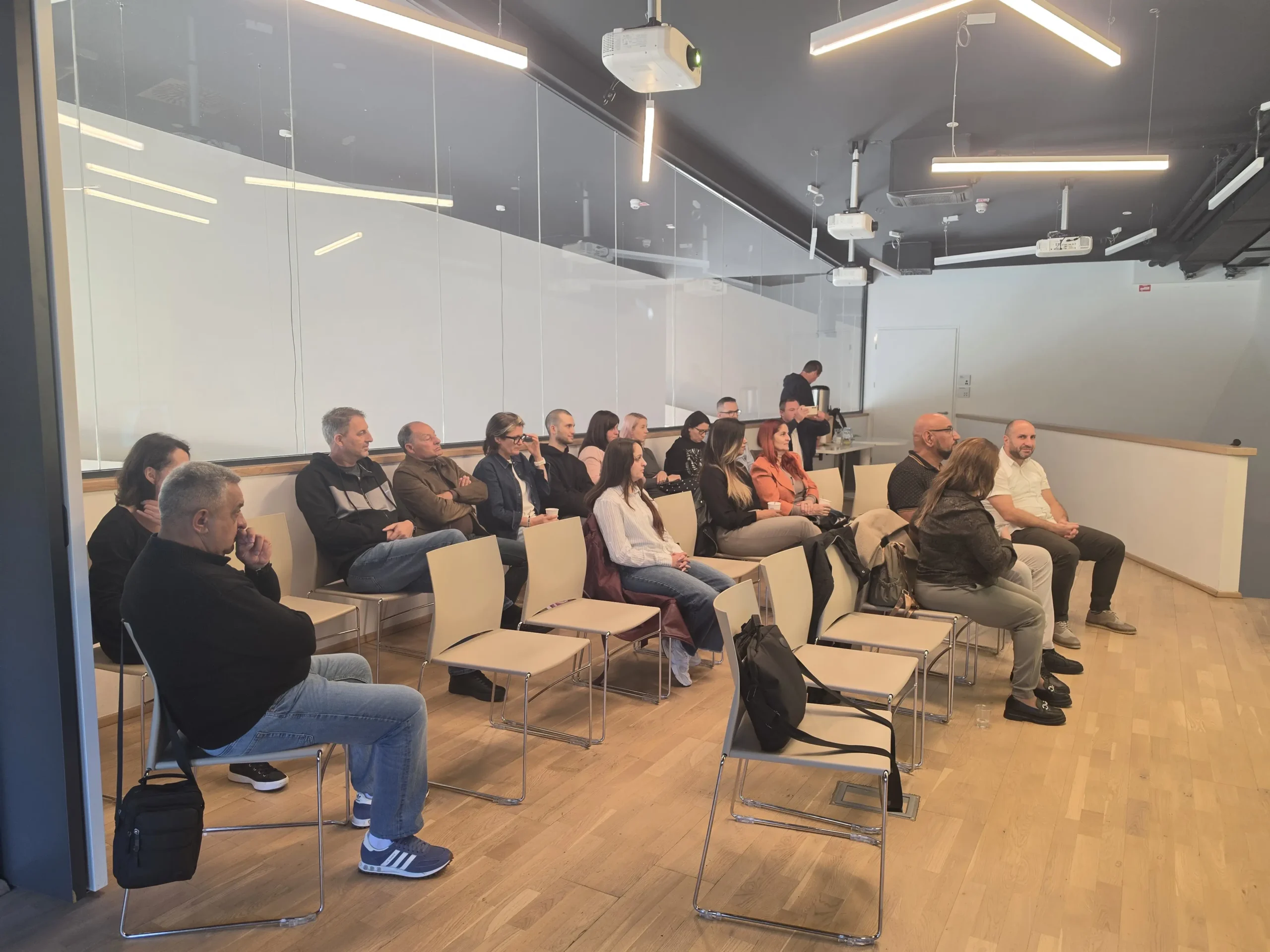
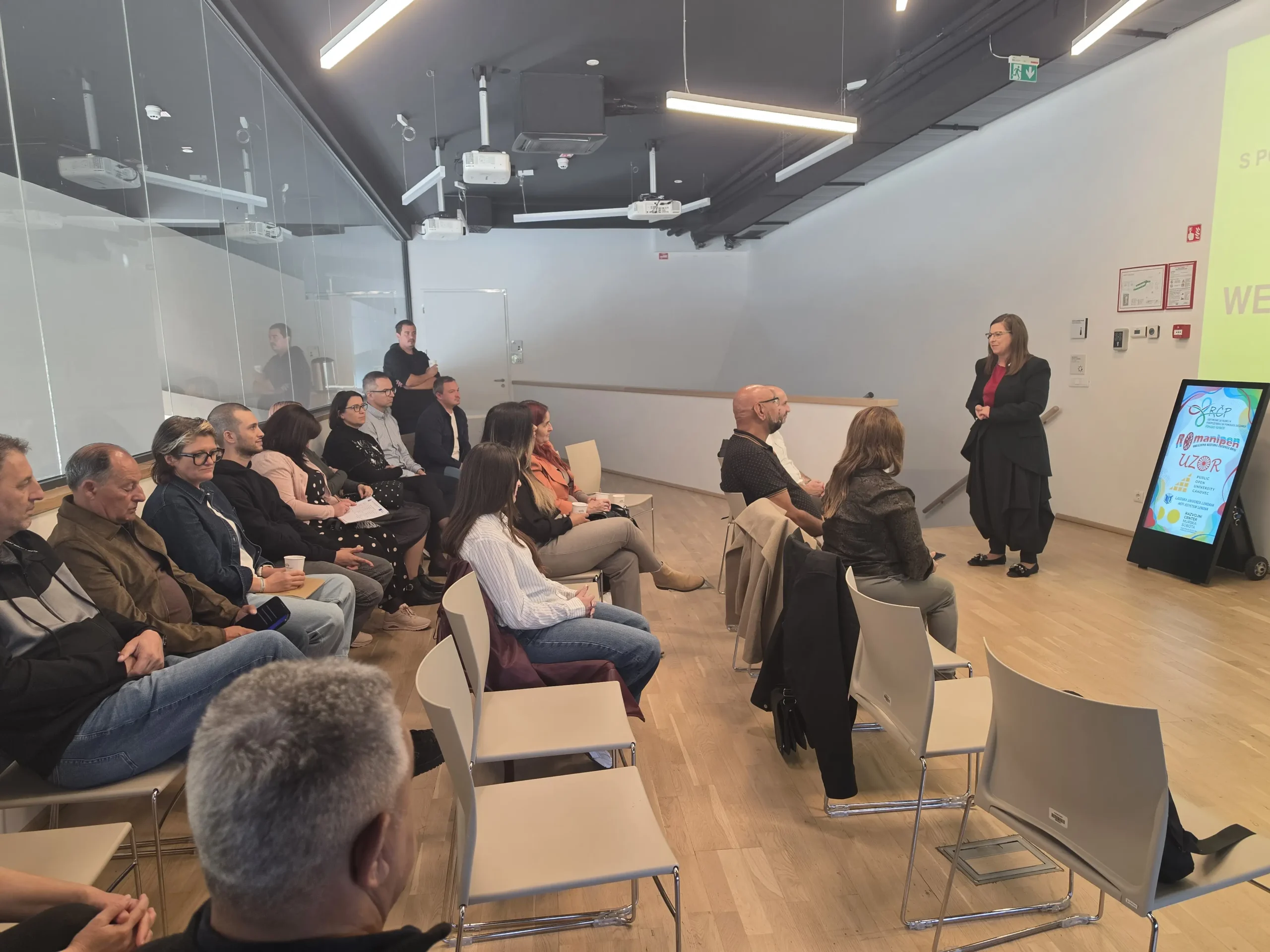
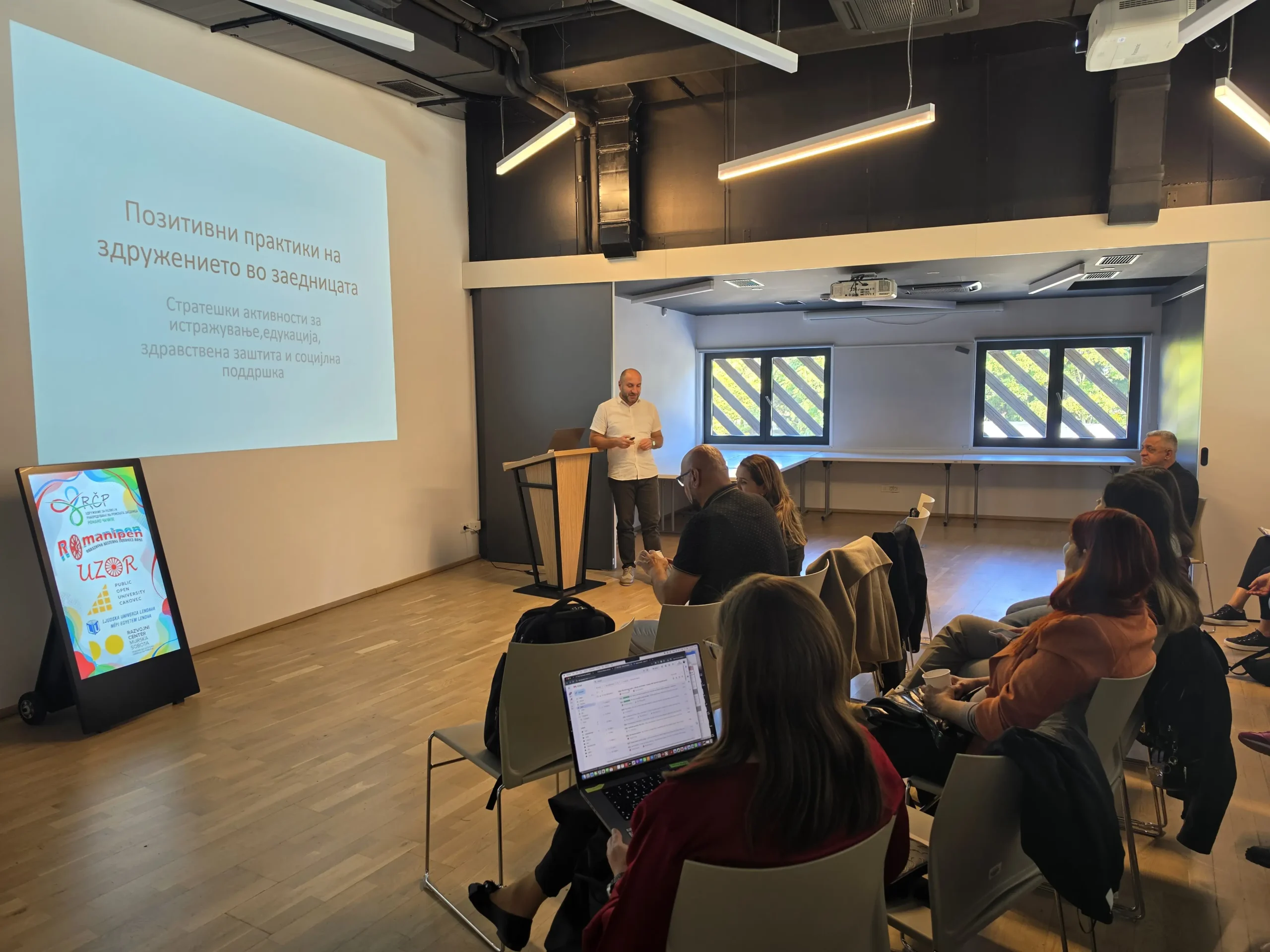
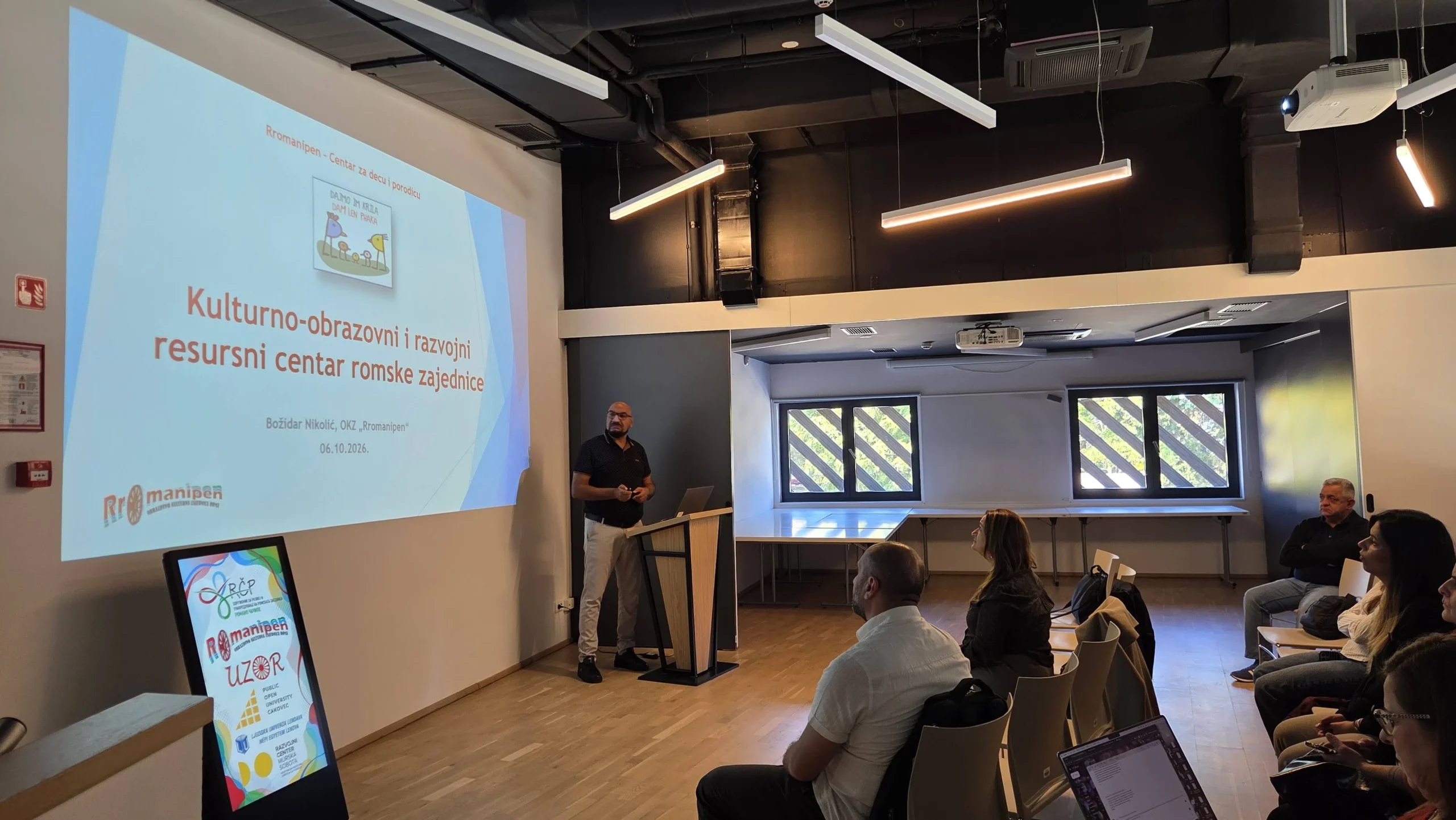
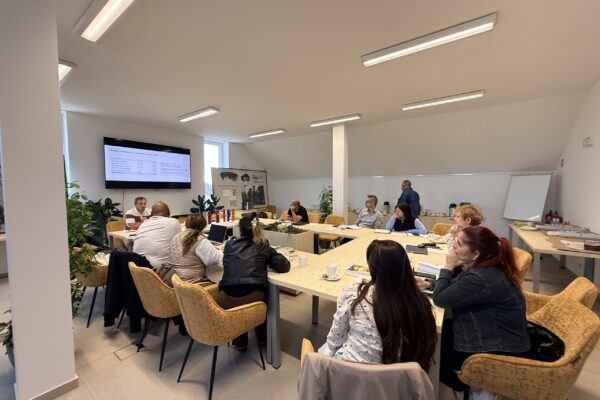
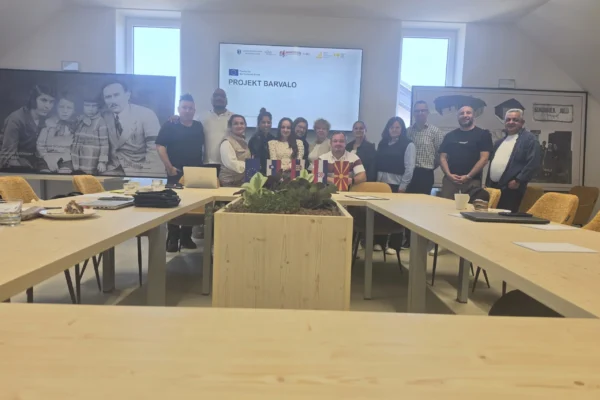
On Tuesday and Wednesday, we visited Murska Sobota and Šalovci for the project’s kick-off meeting, which brought together representatives of all partner organisations:
- Ljudska univerza Lendava, Slovenia – project coordinator
- Razvojni center Murska Sobota, Slovenia
- Udruga za obrazovanje Roma “Uzor”, Croatia
- Pučko otvoreno učilište Čakovec, Croatia
- Obrazovno kulturna zajednica Roma “Romanipen”, Serbia
- Udruga za razvoj i unapređenje romske zajednice Romano Chachipe, North Macedonia
The strength of this partnership lies in the diverse perspectives and experience the organisations bring to the project: adult education, community development, social inclusion and direct engagement with Roma communities.
An Important Role for POU Čakovec
Pučko otvoreno učilište Čakovec will play an important expert role in developing the project’s educational content. POU Čakovec will coordinate the preparation of the Roma mentor training programme, the financial literacy programme for Roma adults and the educational materials for the MOOC platform. It will also contribute specifically to the methodological component of the financial literacy programme and ensure that the materials developed are translated into Croatian.
The first step in this collaboration was taken at the kick-off meeting in Murska Sobota. Together, the partners reviewed the project objectives and expected results, agreed on an activity timetable and laid the groundwork for the first project outputs. Under the project plan, the financial literacy programme for Roma adults, the Roma mentor training programme and at least 20 learning resources for the digital platform are expected to be developed by the end of the first project phase.
What Will the Project Involve?
Financial literacy is about much more than knowing how to manage a monthly budget. It means understanding income and expenditure, planning ahead and saving, borrowing responsibly, recognising risky offers and fraud, and knowing where and how to seek advice and information. These practical skills are at the heart of BARVALO.
The project responds to the barriers that some Roma people face when accessing education and financial services, ranging from low levels of basic and financial literacy to socioeconomic difficulties, geographical isolation and a lack of trust in institutions.
One of the project’s key elements will be the development of a financial literacy programme for Roma adults, alongside the training of Roma mentors who will be able to share their knowledge within their communities.
The project will also develop a MOOC platform and open educational resources (OER) tailored to adults with lower levels of digital skills and basic literacy. Digital content will not replace face-to-face learning but complement it, enabling participants to learn at their own pace, revisit materials and access resources regardless of location.
Particular attention will be paid to practical topics such as managing household budgets, saving on a low income, responsible borrowing, the risks of over-indebtedness, and recognising fraud and unfavourable lending practices. The materials will be available in several languages and adapted to different learning needs and preferences.
Knowledge That Empowers People to Take Control of Their Lives
Financial literacy is not just about money. It is about knowledge, choices and the ability to make realistic, sound decisions and take greater control of our lives. That is why we are so pleased to be embarking on this new educational journey, which will bring valuable lessons, learning materials and experiences.

Funded by the European Union. Views and opinions expressed are however those of the author(s) only and do not necessarily reflect those of the European Union or Centre of the Republic of Slovenia for Mobility and European Educational and Training Programmes – CMEPIUS. Neither the European Union nor the granting authority can be held responsible for them.