

Educators from five EU countries gathered in Croatia to bridge the digital gap, mastering Generative AI for transformative vocational teaching.
Vocational Education and Training (VET) providers currently face a significant challenge: the “pedagogical skills gap” created by the rapid emergence of new technologies. To address this, Pučko otvoreno učilište Čakovec (POU Čakovec) recently hosted a five-day transnational training event titled “Generative AI and Transformative Educational Content”.
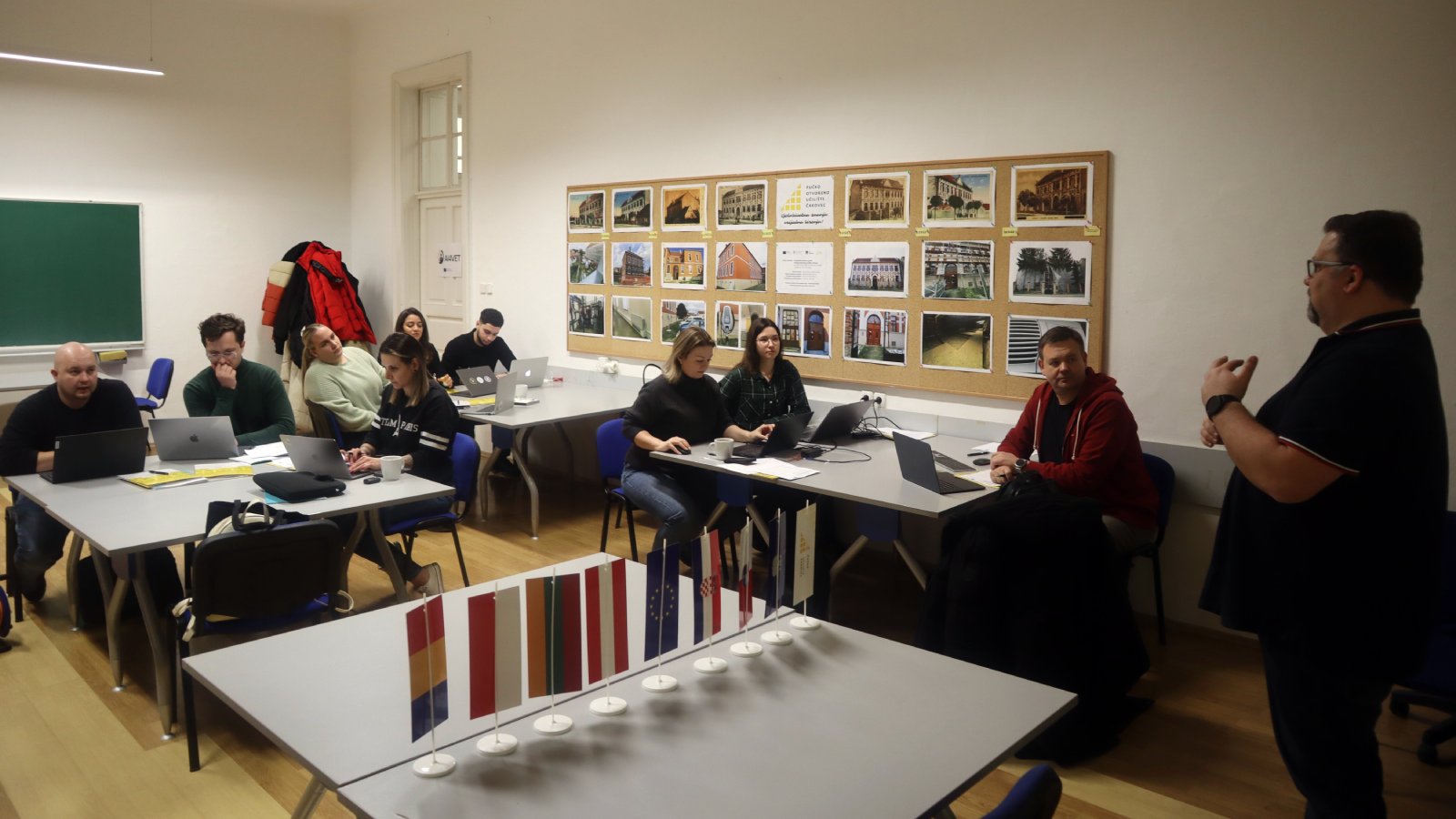
Held from 15–19 December 2025 in Čakovec, Croatia, the training event brought together 15 VET professionals from five European countries: Croatia, Poland, Austria, Romania, and Lithuania. This training served as a major capacity-building activity for the Erasmus+ project “Transforming Vocational Education Through AI and Future Classroom Lab” (AI4VET).
The primary goal of the training was to equip educators with the skills to use Generative AI (GenAI) effectively and ethically. Rather than focusing solely on technical IT skills, the programme was designed to improve pedagogical practice, helping educators create materials that are more engaging and inclusive for their learners.
The training was structured into five distinct learning modules conducted over five days, guiding participants from foundational concepts to practical application in their own classrooms.
Module 1: Introduction to AI and ethics
The training began with a focus on the fundamentals. Participants explored how Large Language Models (LLMs) function and examined the critical ethical considerations of using them in education, such as data privacy and algorithmic bias. A key component of this module was “prompt engineering” – learning how to structure instructions to get the most accurate and useful results from AI tools.
Module 2: Content creation and lesson planning
Moving to practical application, educators learned to use AI to generate and refine teaching resources. This included creating multimedia content (images and audio), developing quizzes, and drafting case studies relevant to their specific vocational subjects. Participants also explored the “Future Classroom Lab” concept, discussing how AI tools can be integrated into modern, flexible learning environments.
Module 3: Student engagement and assessment
This module addressed how AI can support active learning. Participants experimented with tools for gamification and simulations to increase student motivation. The group also tackled the challenge of assessment, discussing how to redesign tasks to focus on the learning process rather than just the final output, thereby addressing concerns about academic integrity.
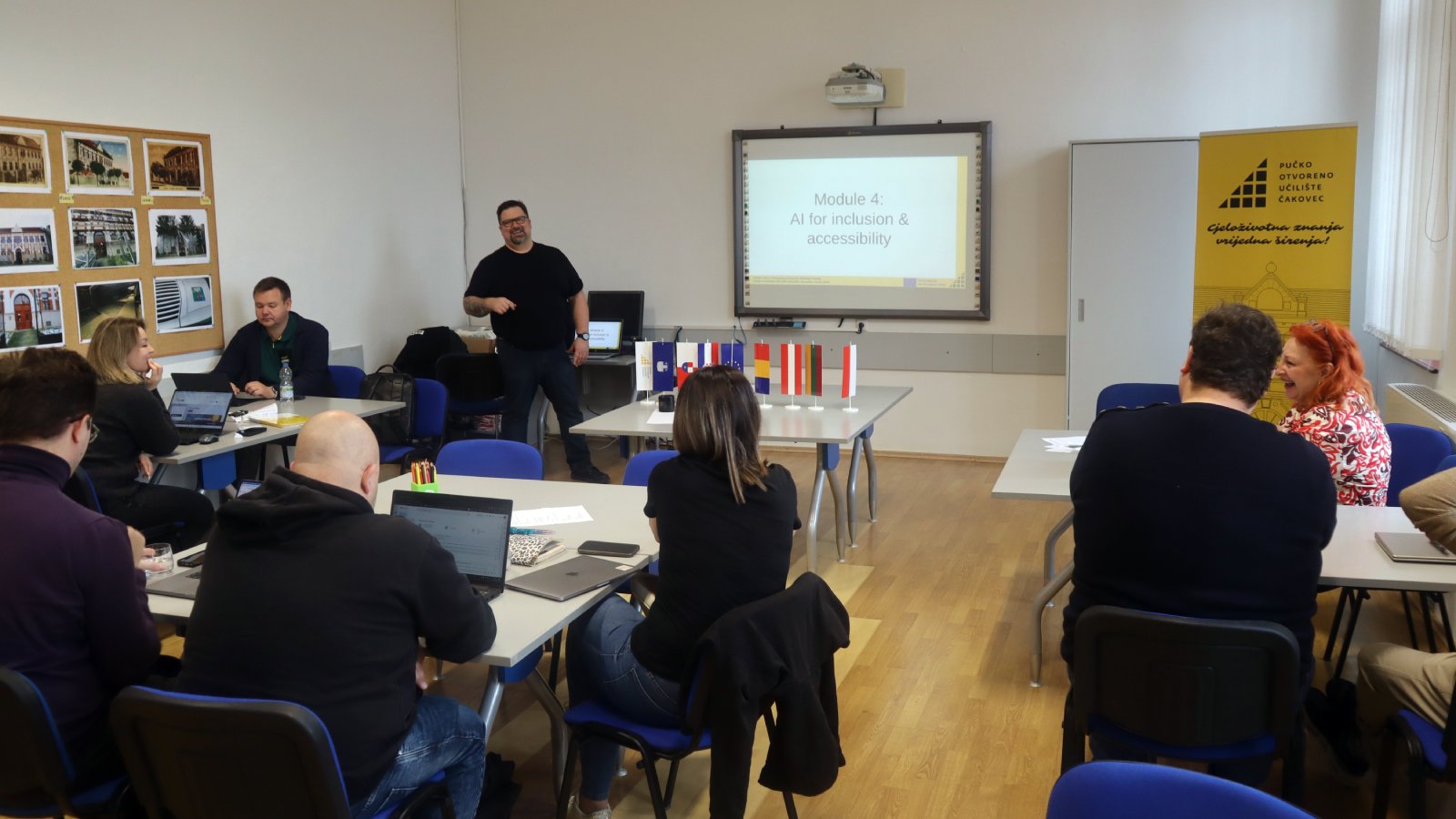
Module 4: Inclusion and accessibility
A central aim of the AI4VET project is to support learners with fewer opportunities. In this module, educators applied Universal Design for Learning (UDL) principles. They used AI tools to create accessible materials – such as text-to-speech audio and simplified texts – to remove barriers for students with learning difficulties or language challenges.
Module 5: Practical strategies and personal action plan
The week concluded with a focus on implementation. Participants analysed the specific barriers to AI adoption within their own institutions, such as technical constraints or colleague scepticism. As a final task, each educator developed a “Personal Action Plan,” outlining concrete steps to share their new knowledge with colleagues and integrate these tools into their teaching practice upon returning home.

Transnational effort & future impact
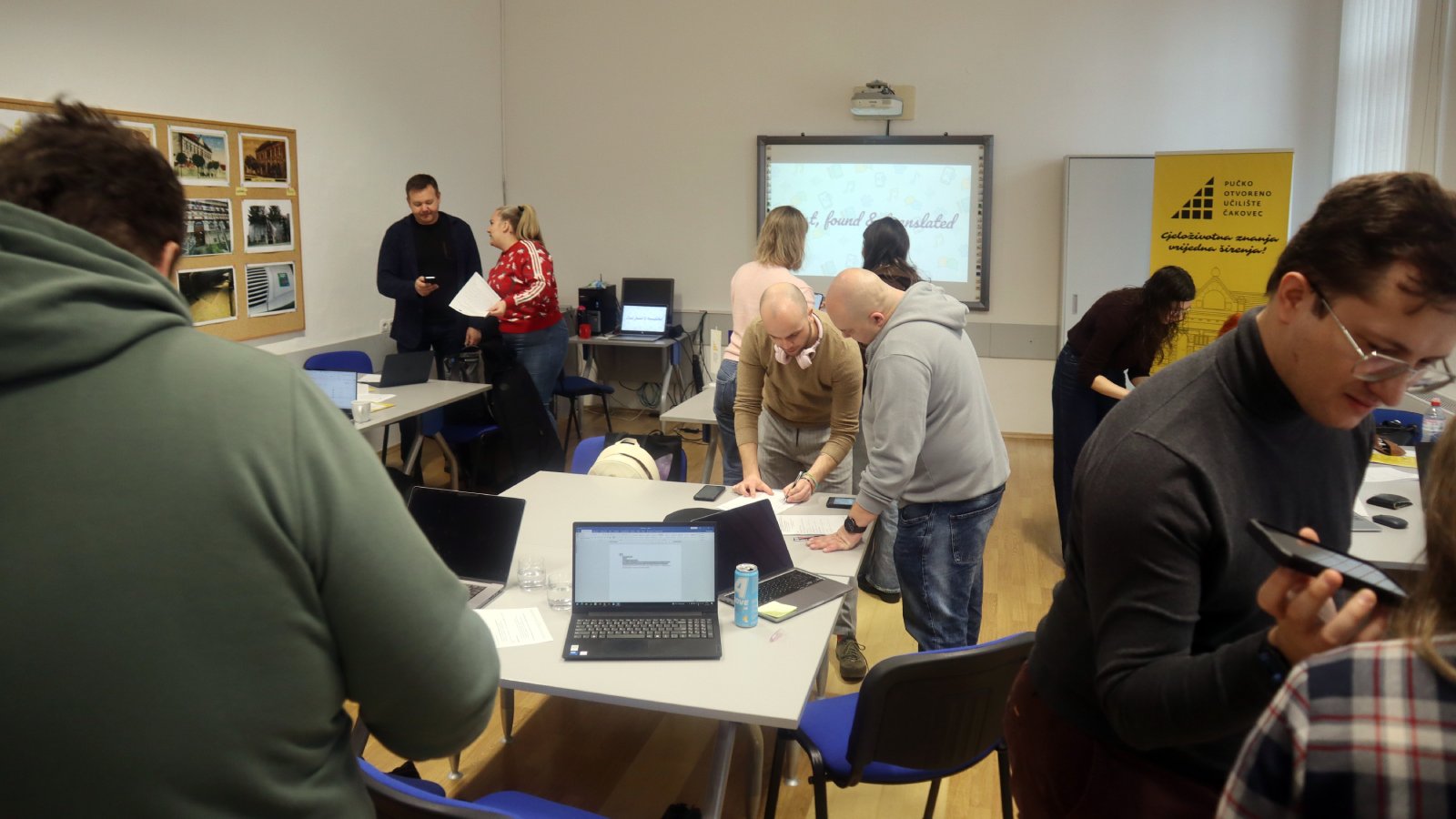
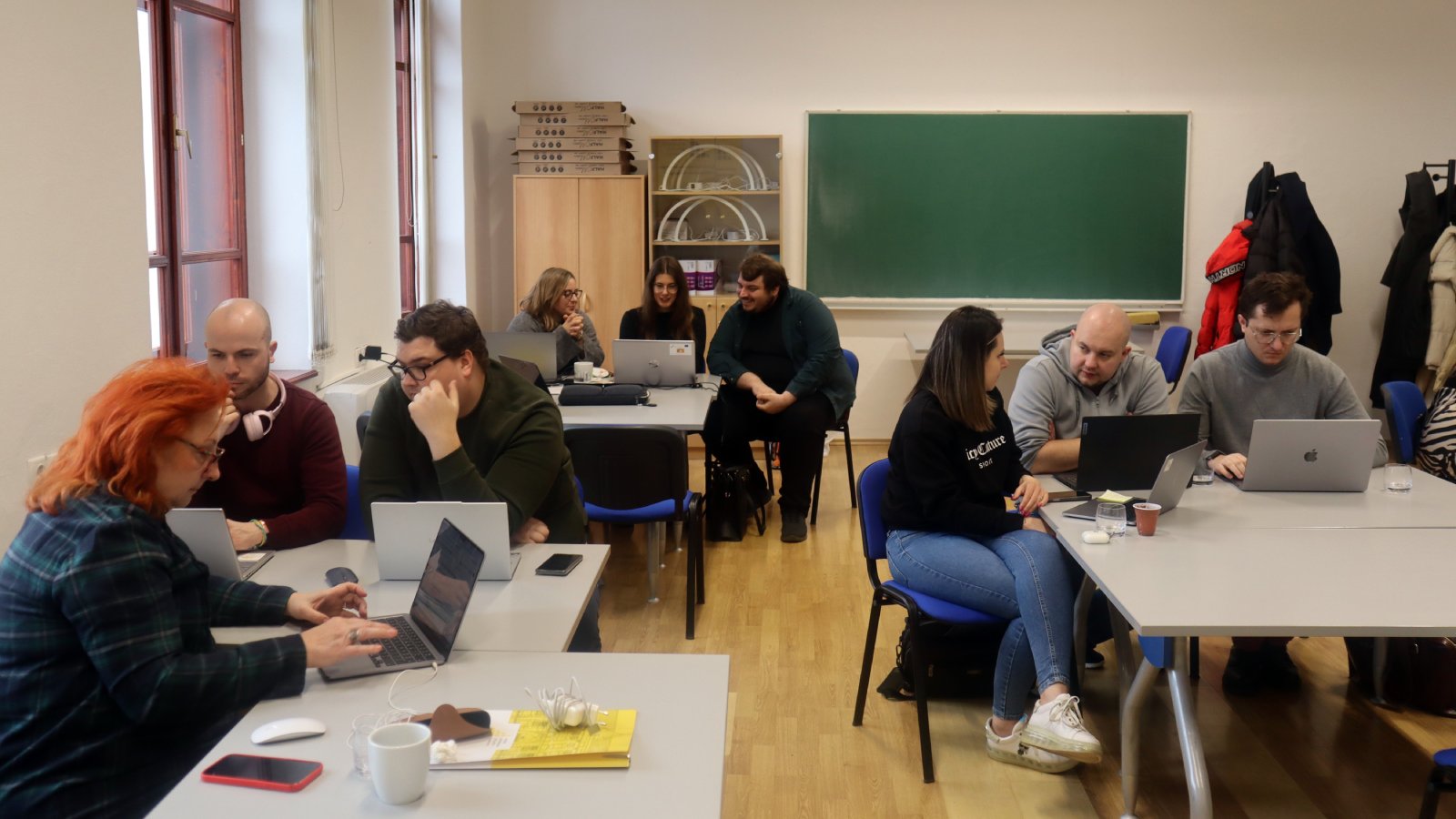
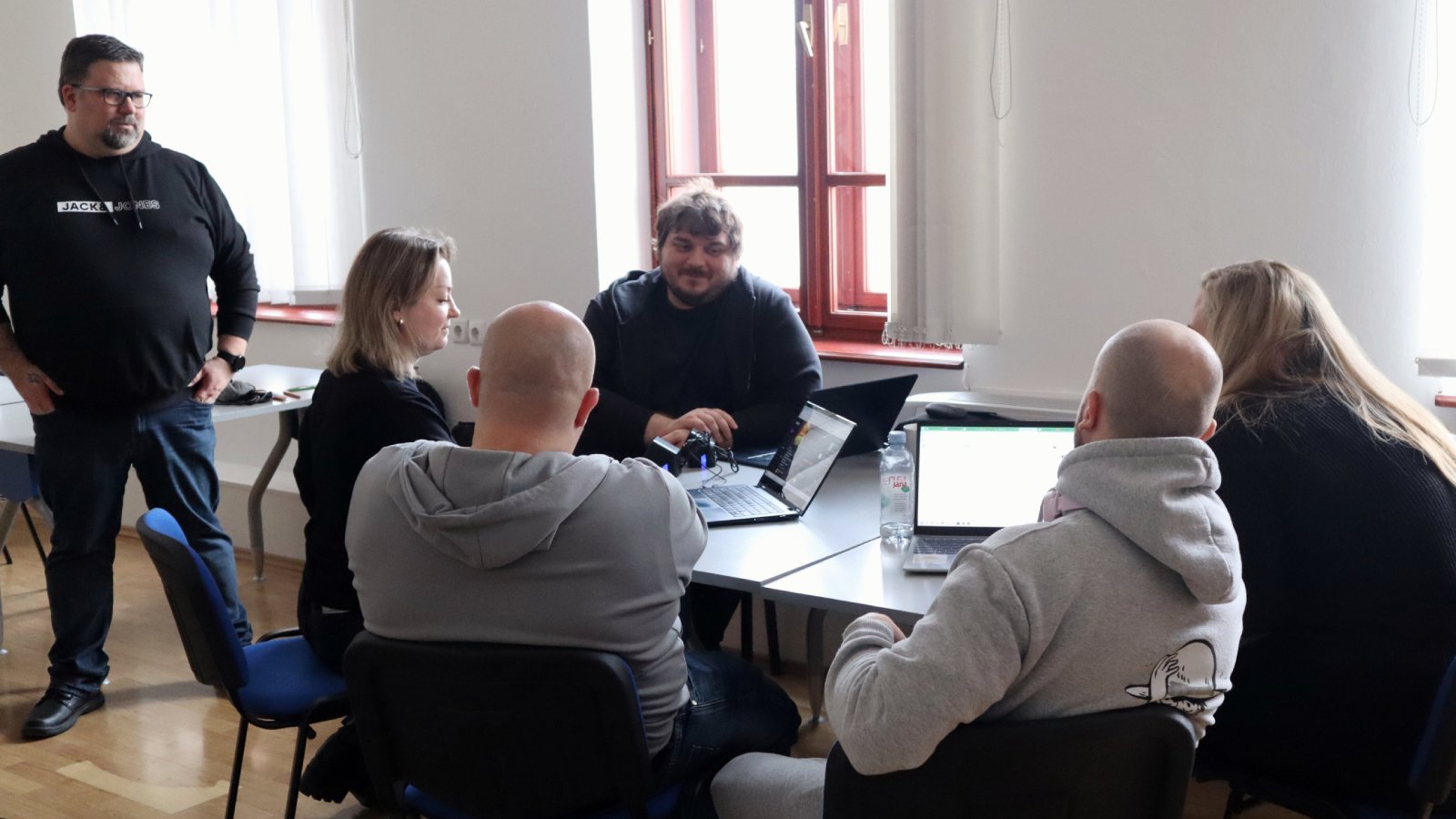
The training was delivered through hands-on workshops and peer collaboration, allowing participants to test tools in real-time and exchange feedback. The diverse group of participants represented the full project consortium:
- Sysco Polska Sp. z o.o. (Poland) – Project coordinator
- Acceleras KG (Austria)
- Pučko otvoreno učilište Čakovec (Croatia)
- Asociația Institutul pentru Parteneriat Social Bucovina (Romania)
- Viesoji Istaiga Kauno Mokslo Ir Technologiju Parkas (Lithuania).
This training acts as a foundation for the upcoming results of the AI4VET project. The insights gained from this week will directly inform the development of future project results, ensuring that future resources are grounded in the real-world experiences of educators.
By focusing on practical application and ethical responsibility, POU Čakovec and its partners are working to ensure that VET educators are not left behind by the digital transition, but are instead empowered to lead it.

Funded by the European Union. Views and opinions expressed are however those of the author(s) only and do not necessarily reflect those of the European Union or the Foundation for the Development of the Education System (FRSE). Neither the European Union nor FRSE can be held responsible for them.
